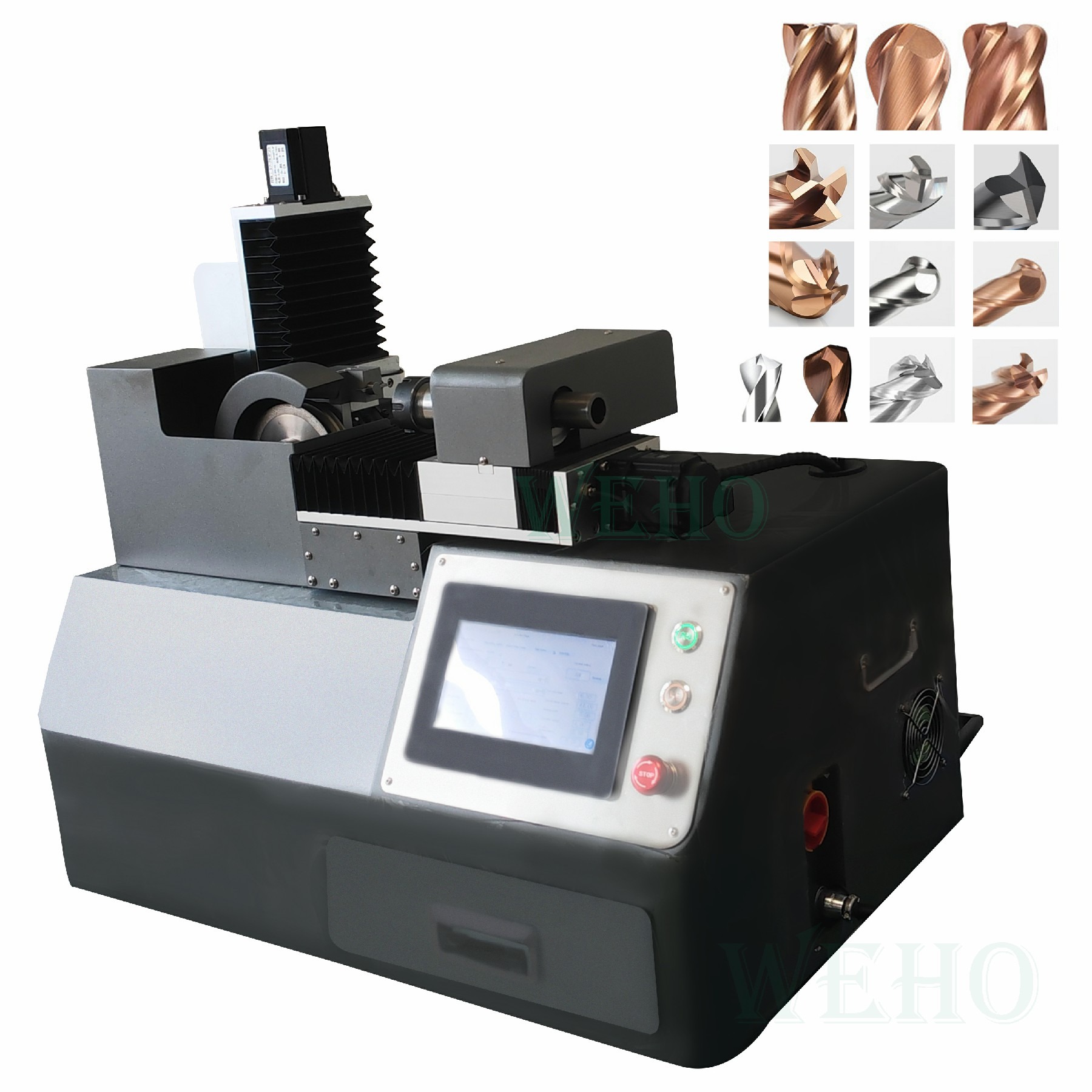
Difference Between Polishing & Sharpening Saw Blades
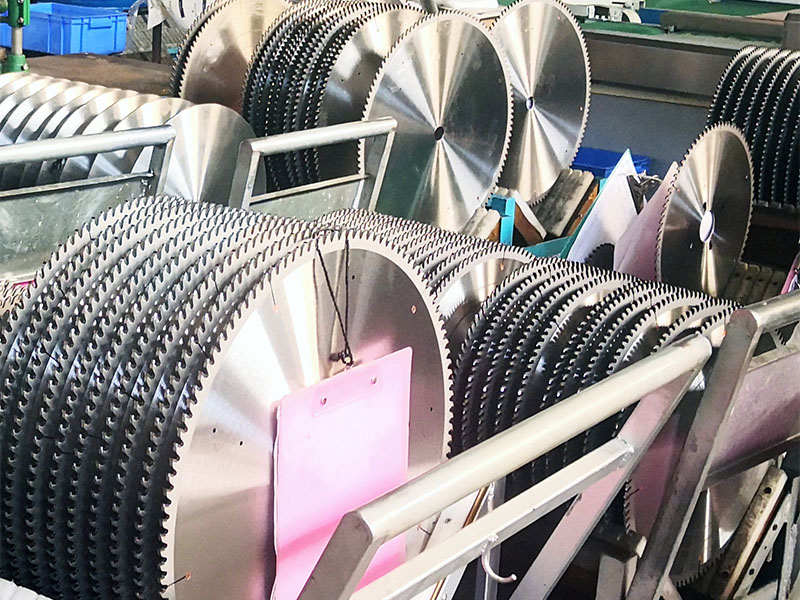
Saw blade performance directly affects cutting quality and production efficiency. In woodworking and metal processing, blades become dull after long use. Two common maintenance methods are saw blade sharpening and saw blade polishing. Many users confuse these two processes. This article explains the difference and shows how a circular saw blade polishing machine from WEHO Machinery improves blade performance.
What Is Saw Blade Sharpening?
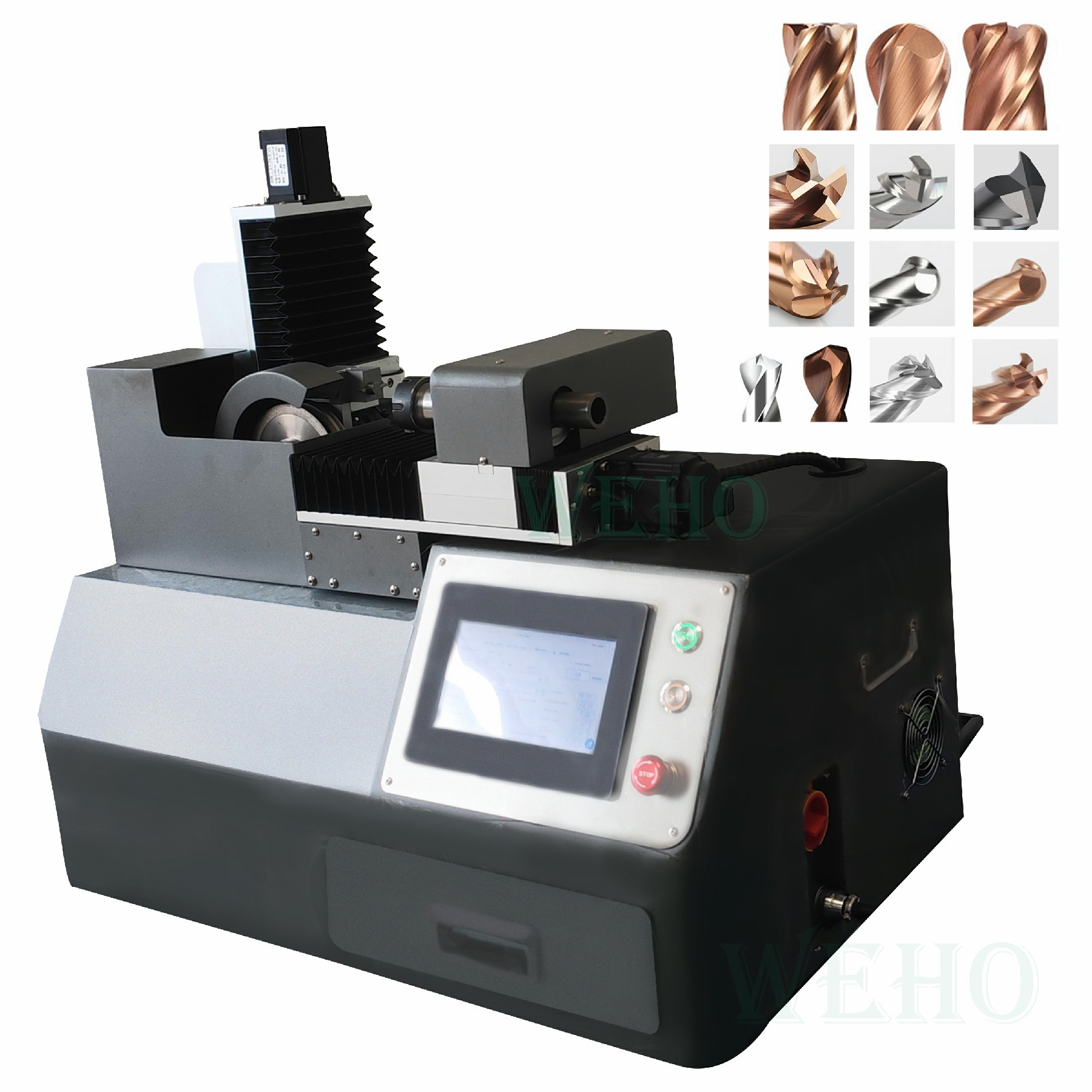
Saw blade sharpening is a repair process used to restore the cutting edge of a worn blade. It is widely used in industrial blade sharpening machine systems and workshop maintenance.
Definition of sharpening
Saw blade sharpening removes worn metal from the tooth edge to recover cutting sharpness.
How sharpening works
Sharpening uses grinding wheels or an industrial sharpening machine to remove material from blade teeth. This process restores the original cutting angle and edge geometry.
When sharpening is needed
Sharpening is required when blades show reduced cutting speed, burning marks on material, or visible tooth wear. It is commonly used for carbide saw blade sharpening machine applications in workshops and factories.
Sharpening results
After sharpening, the blade regains cutting ability. However, surface roughness may remain, which affects cutting smoothness and noise levels.
What Is Saw Blade Polishing?
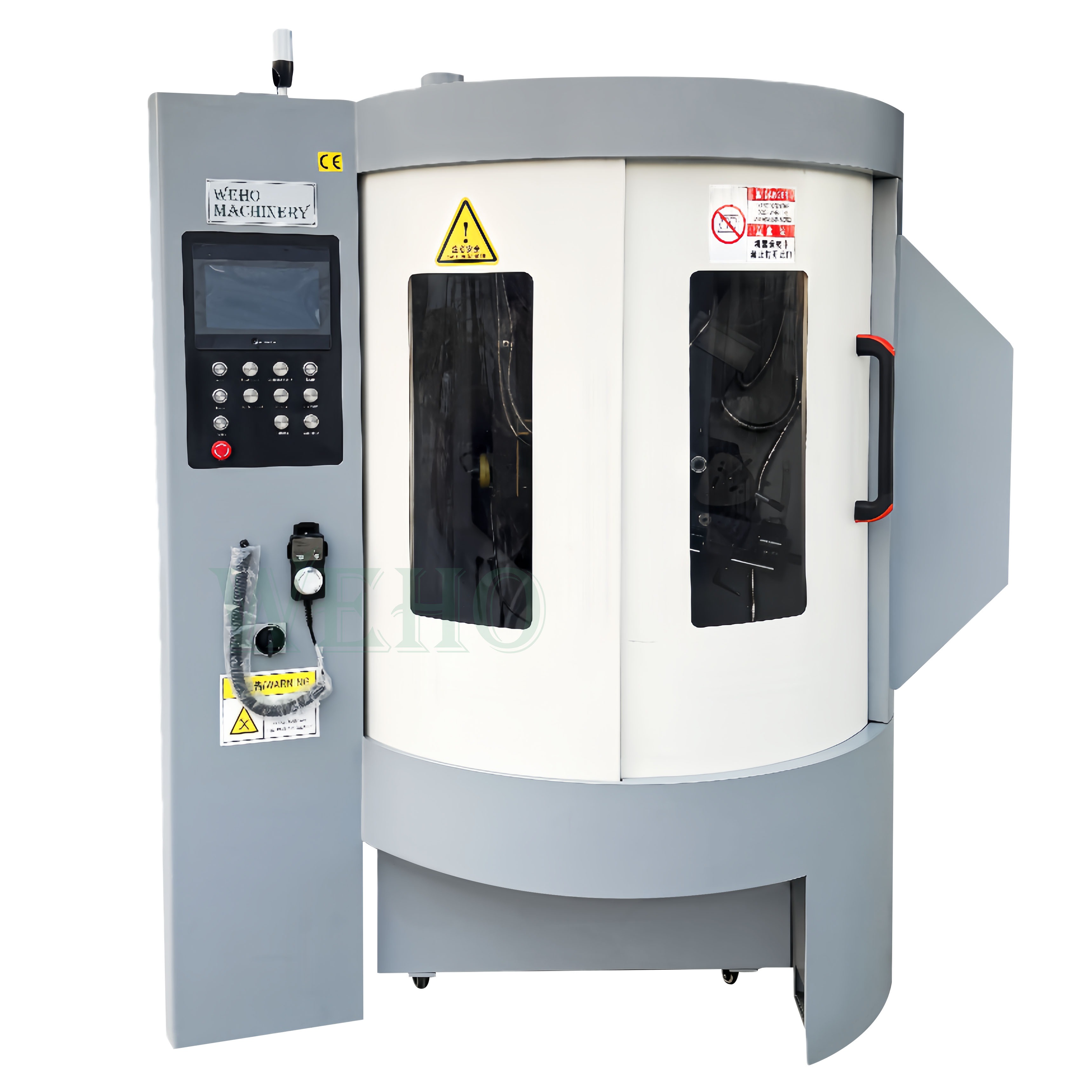
Saw blade polishing is a finishing process used after sharpening. It improves surface quality and cutting stability. This process is typically performed using a circular saw blade polishing machine in industrial production.
Definition of polishing
Saw blade polishing removes micro burrs and smooths blade surfaces after sharpening.
How polishing works
A circular saw blade polishing machine uses fine abrasive wheels to treat the blade surface and tooth edges. This process reduces friction and improves consistency.
Purpose of polishing
Polishing improves cutting smoothness, reduces resistance, and extends blade service life. It is widely used in industrial blade polishing machine applications for high-precision production.
Polishing results
After polishing, the blade operates more smoothly, produces cleaner cuts, and reduces heat generation during cutting.
Polishing vs Sharpening
Understanding the difference between saw blade sharpening and polishing is essential in saw blade maintenance and industrial blade performance optimization. Although both processes are used in blade maintenance systems, their functions, stages, and results are completely different.

Item Comparison: Sharpening vs Polishing
|
Item |
Sharpening |
Polishing |
|
Process |
Material removal |
Surface finishing |
|
Purpose |
Restore cutting edge |
Improve smoothness |
|
Stage |
Repair stage |
Finishing stage |
|
Result |
Sharp edge |
Smooth performance |
Process difference
Saw blade sharpening is a material removal process. It reshapes worn or damaged tooth edges using grinding tools or an industrial blade sharpening machine.
In contrast, polishing is a surface finishing process. A circular saw blade polishing machine uses fine abrasive wheels to remove micro burrs and refine the blade surface after sharpening. This ensures more stable cutting performance and reduces friction during operation.
Purpose difference
The purpose of sharpening is to restore the cutting ability of a dull saw blade. It focuses on rebuilding the edge geometry so the blade can cut effectively again.
The purpose of polishing is to improve cutting quality. It enhances smoothness, reduces resistance, and stabilizes cutting performance, especially in high-speed industrial applications.
Effect on blade life
Sharpening extends the usable life of a saw blade by restoring its cutting function. However, the surface may still contain micro irregularities after sharpening.
Polishing further improves blade lifespan by reducing surface friction and heat generation. When combined with a circular saw blade polishing machine, it helps maintain consistent performance in long-term industrial use.
Application difference
Sharpening is used when saw blades are dull, chipped, or have reduced cutting efficiency. It is the first step in saw blade maintenance.
Polishing is used when blades are already sharp but require smoother cutting performance. It is commonly applied in carbide saw blade maintenance and high-precision industrial cutting environments using a circular saw blade polishing machine.
In industrial production, sharpening and polishing are not competing processes but complementary steps. Sharpening restores function, while polishing ensures performance stability. Using both processes together provides the best result in professional saw blade maintenance systems.
Which One Do You Need?
Choosing between saw blade sharpening and polishing depends on blade condition.
If your blade is dull or damaged
You need sharpening using an industrial blade sharpening machine or carbide saw blade sharpening machine.
If your blade is already sharp but rough cutting
You need polishing using a circular saw blade polishing machine to improve cutting smoothness.
Industrial recommendation
In professional production environments, both processes are used together. Sharpening restores the edge, while polishing ensures stable performance.
Can Polishing Replace Sharpening?
Polishing is not designed to restore a dull cutting edge. It mainly improves surface finish and reduces friction during cutting. When a saw blade loses its sharpness, sharpening is required to rebuild the cutting geometry. In practice, a circular saw blade polishing machine is used after sharpening to enhance overall performance rather than replace it.
Can Sharpening Replace Polishing?
Sharpening focuses on restoring the cutting edge, but it does not address surface imperfections created during the grinding process. Without polishing, the blade may experience higher resistance and less stable cutting performance. For this reason, polishing is often used as a follow-up step to sharpening, especially in industrial environments where consistency and efficiency are critical.
Why Both Processes Are Important in Manufacturing
In modern manufacturing, saw blade maintenance is critical for efficiency. Using both sharpening and polishing improves production quality.
- Improves cutting accuracy
- Reduces material waste
- Extends blade service life
- Improves industrial efficiency
WEHO Machinery provides solutions for both processes, especially advanced circular saw blade polishing machine systems for industrial use.
Choose WEHO
WEHO Machinery is a professional manufacturer of industrial cutting and blade maintenance equipment. Our circular saw blade polishing machine is designed for high precision, stable performance, and long service life.

Compared with traditional systems, WEHO machines provide:
1. Higher polishing accuracy
2. Stable industrial performance
3. Suitable for carbide saw blade polishing machine applications
4. Easy operation and low maintenance cost
For factories and workshops seeking reliable saw blade maintenance solutions, WEHO offers complete industrial support.
Conclusion
The difference between saw blade sharpening and polishing is clear. Sharpening restores cutting edges, while polishing improves surface quality and performance. In industrial production, both processes are essential for optimal results.
If you are looking for a high-efficiency circular saw blade polishing machine, WEHO Machinery provides professional-grade equipment designed for precision and durability. Contact WEHO today to upgrade your saw blade maintenance process and improve production efficiency.
FAQs
Q: What is the main difference between polishing and sharpening?
A: Sharpening restores cutting edges, while polishing improves surface smoothness.
Q: Do I need polishing after sharpening?
A: Yes, polishing improves cutting stability and reduces friction.
Q: Can a polishing machine sharpen blades?
A: No, polishing machines only refine surfaces, not restore edges.
Q: What industries use saw blade polishing machines?
A: Woodworking, metal cutting, and industrial manufacturing industries widely use them.