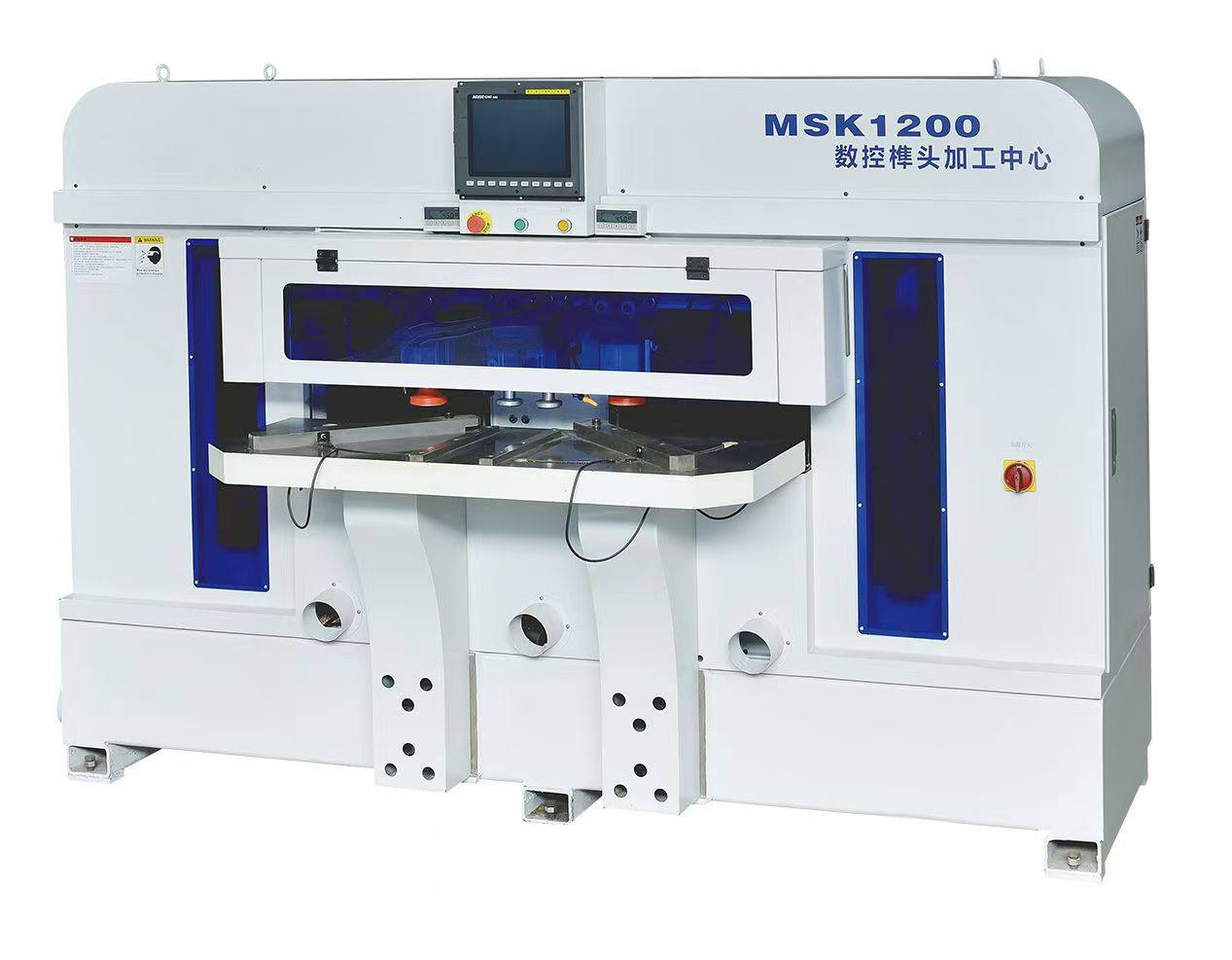
Drill Press vs. Hand Drill: Which is Better for Woodworking Projects?
Woodworking projects come alive when you wield the right tools with confidence. From crafting elegant furniture joints to building sturdy cabinetry frames, the choice between a bench drill and a handheld power drill can elevate your craftsmanship or hold it back. Both tools pack impressive capabilities, yet they shine in different scenarios. This comprehensive guide breaks down their strengths, applications, and practical considerations, empowering you to make informed decisions that boost efficiency and deliver professional-grade results every time.
Understanding Bench Drills and Handheld Power Drills
What Is a Bench Drill?
A bench drill, commonly known as a drill press, serves as a stationary powerhouse firmly mounted on a workbench. Its design features a sturdy column, an adjustable worktable, and a reliable feed mechanism that ensures controlled, accurate drilling. Driven by a robust electric motor, the spindle rotates drill bits at consistent speeds, maintaining perfect vertical alignment throughout the process.
This stability delivers exceptional precision for repetitive tasks, rock-solid resistance to bit wander, and reliable depth control. Woodworkers value how these machines turn repetitive operations into efficient, high-quality processes ideal for professional shops.
What Is a Handheld Power Drill?
Handheld power drills bring unmatched portability and agility to the workshop. These compact, lightweight tools—available in corded or cordless varieties—allow complete freedom of movement around the workpiece or on job sites. Variable-speed triggers and ergonomic grips provide responsive control for fast operations.
Their nimble design supports superior mobility for awkward angles, broad versatility with attachments, and instant usability without a dedicated station, making them excellent for dynamic and creative woodworking.
Head-to-Head Comparison for Woodworking
|
Feature |
Bench Drill (Drill Press) |
Handheld Power Drill |
|
Precision |
Outstanding; fixed spindle ensures straight, consistent holes |
Good with skill; potential for minor deviation |
|
Power & Torque |
High, sustained output for tough hardwoods |
Strong for general use; can slow under prolonged heavy loads |
|
Portability |
Stationary; best in fixed workshop setups |
Excellent; easy to carry and use anywhere |
|
Speed for Repetition |
Excellent for batch drilling with depth stops |
Fast for individual tasks but tiring over long sessions |
|
Ease of Use |
Low physical effort once aligned; mechanical advantage |
Intuitive trigger; requires steady hands and positioning |
|
Versatility |
Highly specialized for precision boring |
Extremely versatile with multiple attachments |
|
Ideal Project Scale |
Medium to large workshops, production runs |
Small projects, assembly, on-site modifications |
Bench drills dominate when flawless alignment matters. The rigid structure prevents wandering and produces clean holes essential for strong joints and hardware installation. Handheld drills rely more on operator skill, which can introduce minor variations in challenging woods.
Bench models sustain high torque for demanding materials while reducing fatigue through mechanical feed. Handheld drills adapt quickly with variable speeds but may need breaks during heavy use.
Handheld drills provide unmatched freedom for large pieces or confined spaces. Bench drills reward with effortless, consistent operation in a fixed setup. Together, they cover high-volume production and flexible assembly effectively.
When to Choose a Bench Drill for Your Projects
Choose a bench drill when precision and repeatability are critical. These tools excel in furniture manufacturing by creating flawless patterns without tear-out and in repetitive joinery for strong, uniform assemblies. Dedicated workshops benefit from increased output and lower strain.
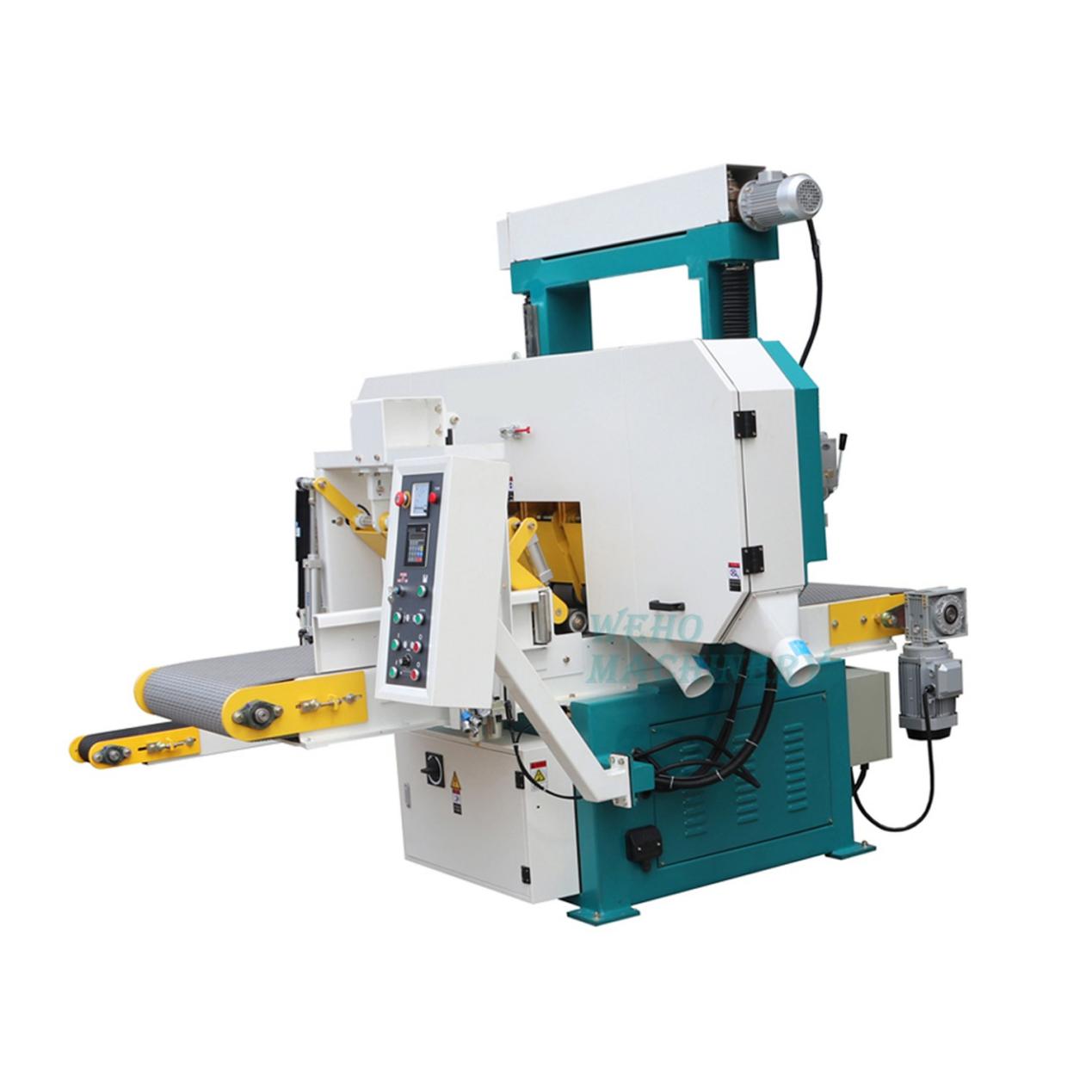
Strong recommendation: Discover our range of wood drilling machines equipped with powerful motors, variable speed controls, laser aids, and durable builds for demanding woodworking.
Advantages of Handheld Power Drills in Woodworking
Handheld power drills add speed and adaptability. They support on-site work without relocating stock, enable rapid prototyping and fastening, and reach tight or awkward areas stationary machines cannot access.
Pair them with quality bits like brad point styles for clean results across wood types, fostering innovative designs and efficient workflows.
Safety and Maintenance Best Practices
Safety comes first through proper eye protection, secure clamping, and controlled operation. Maintenance involves regular dust removal, timely bit sharpening, lubrication of parts, and protective storage. These steps extend tool life and maintain high-quality output.
Combining Both for Optimal Woodworking Results
The best setups combine both tools. Use the bench drill for core precision drilling and the handheld for assembly and modifications. This approach maximizes productivity and creativity.
A typical workflow begins with primary holes on the bench drill, moves to assembly with the handheld, and finishes with portable adjustments. The combination shortens timelines and supports ambitious projects.
FAQs
Q: Which drill is better for beginners in woodworking? A: Handheld power drills offer an easy, affordable start. A bench drill can be added later for greater precision.
Q: Can a handheld drill match bench drill accuracy? A: With practice and guides, handheld models work well for many jobs, though bench drills lead in high-volume precision.
Q: What features should I prioritize when buying? A: Emphasize strong construction, variable speeds, sufficient power, and controls matched to your common tasks.
Q: How do I prevent wood splintering? A: Choose sharp bits, use appropriate speeds, back up with scrap wood, and leverage controlled feed when possible.
Q: Are multi-function options worth considering? A: Yes. Attachments greatly expand a tool’s usefulness across workshop activities.
Conclusion
Bench drills deliver stationary precision and power for repetitive work, while handheld drills provide mobility and versatility for varied tasks. Combining their strengths produces outstanding woodworking outcomes. Connect with WEHO for recommendations suited to your specific needs and goals.