Hot Press vs Cold Press for Plywood: Key Differences and When to Use Each
Hot pressing and cold pressing form the foundation of strong plywood bonding. Both methods depend on precise equipment. A high-performance wood press machine and reliable woodworking pressing machines deliver the force and control required. This article examines their key differences and practical applications. It reflects the focus of manufacturers specializing in hydraulic woodworking systems.
Understanding the Fundamentals of Pressing Processes
Plywood production demands strong, uniform bonds between veneers. Adhesives require controlled conditions to cure properly. Two primary approaches exist: hot pressing and cold pressing. Each uses specialized equipment. A quality wood press machine applies consistent force. Woodworking pressing machines handle the full range of panel sizes and thicknesses.
What Is Hot Pressing?
Hot pressing combines heat and pressure. Heated platens raise temperatures typically between 100°C and 160°C. Pressure forces veneers into tight contact. The heat activates thermosetting adhesives. This creates rapid chemical curing. Cycle times often range from a few minutes to around ten minutes depending on panel thickness.
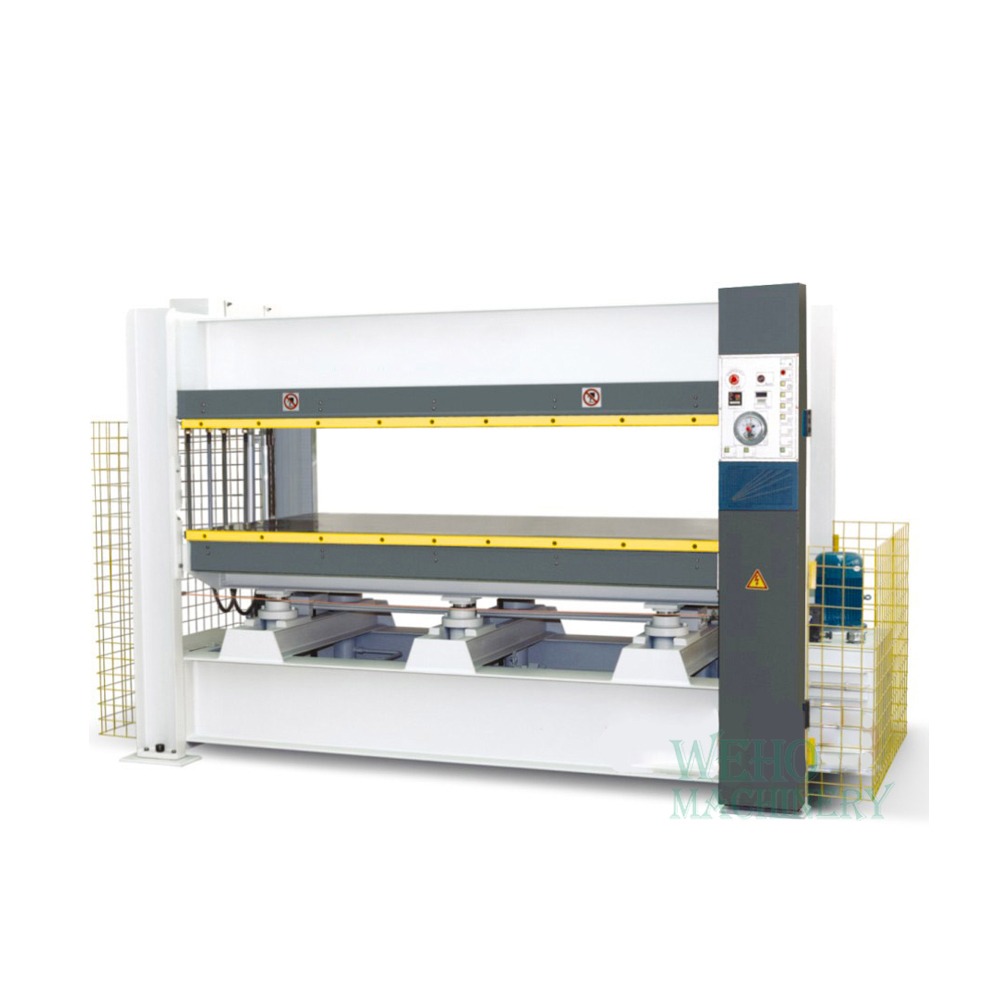
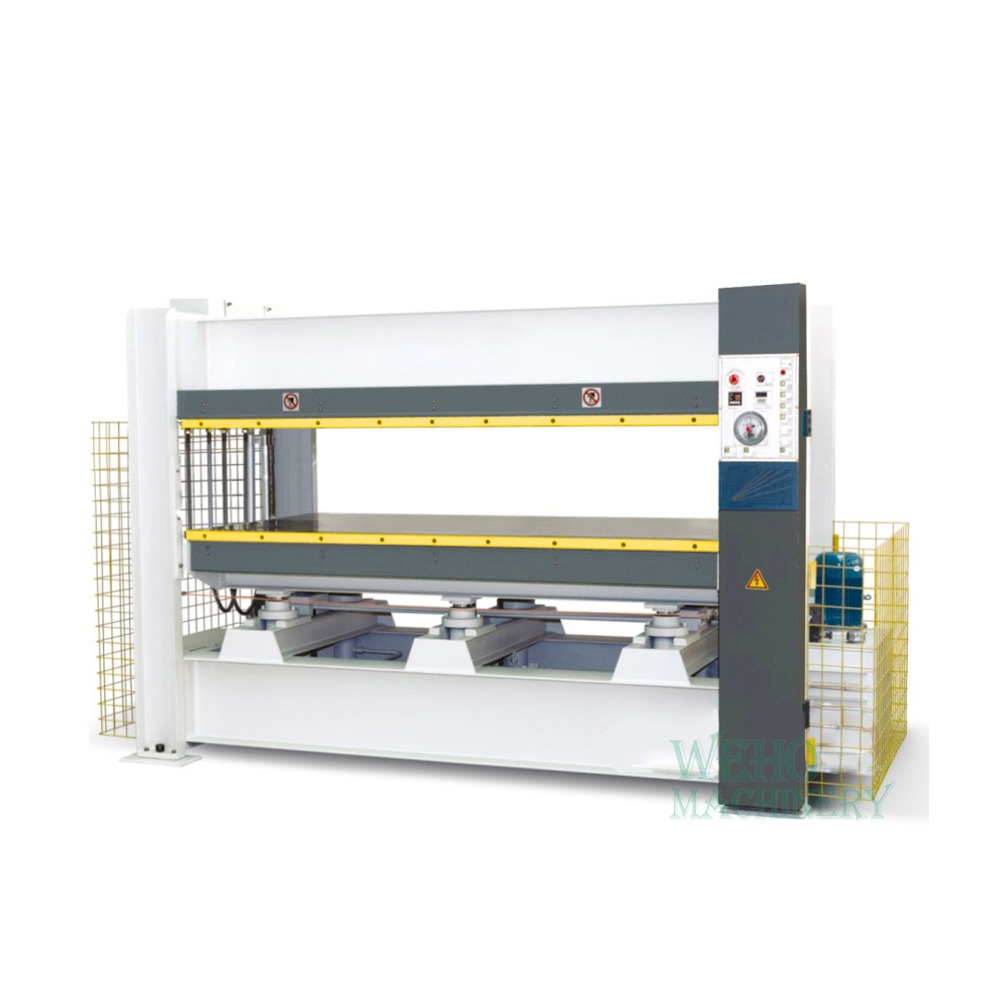
A modern wood press machine designed for hot applications features precise temperature controls and multi-opening designs. Woodworking pressing machines of this type support high-volume plywood lines. They ensure even heat distribution across large surfaces. The result is strong, durable panels with excellent dimensional stability.
What Is Cold Pressing?
Cold pressing applies pressure at ambient temperature. No external heat is introduced. Adhesives cure through chemical reaction or extended contact under force. Press times extend from tens of minutes to several hours. Pressure levels are often similar or slightly higher to compensate for the lack of heat-assisted flow.
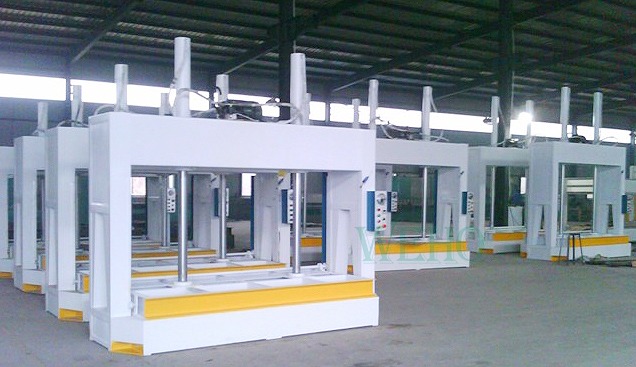
Hydraulic wood press machine models excel here. They deliver uniform force without thermal complexity. Explore dedicated options in the Cold Press Wood Machine category. Woodworking pressing machines for cold use offer lower energy demands and simpler operation. They suit pre-pressing stages or applications where heat could damage sensitive materials.
Key Differences Between Hot and Cold Pressing
Clear distinctions guide process selection. The table below summarizes major contrasts based on operational realities in woodworking production.
|
Aspect |
Hot Pressing |
Cold Pressing |
|
Temperature |
Elevated (typically 100–160°C) |
Ambient / room temperature |
|
Cycle Time |
Short (minutes) |
Long (tens of minutes to hours) |
|
Energy Use |
Higher due to heating systems |
Lower, mainly hydraulic power |
|
Bond Strength |
Very high with rapid full cure |
Good, but depends on adhesive and time |
|
Equipment Complexity |
Higher (heat control + pressure) |
Lower (primarily hydraulic pressure) |
|
Ideal Output |
High-volume continuous production |
Pre-press, specialty, or lower-volume runs |
|
Deformation Risk |
Managed with precise controls |
Generally lower internal stress |
A professional wood press machine addresses both needs through modular designs. View the full range of hydraulic solutions at the Hydraulic Press product category. Woodworking pressing machines allow workshops to switch or combine methods efficiently.
Impact on Production Efficiency
Hot pressing maximizes throughput. Multiple openings in a wood press machine process several panels simultaneously. Heat accelerates adhesive cross-linking. Factories achieve continuous flow. Woodworking pressing machines with automated loading further boost capacity.
Cold pressing prioritizes control over speed. Extended dwell times limit daily output. Yet the simpler wood press machine reduces setup and maintenance costs. Many lines use cold pressing as a pre-step. This consolidates the lay-up before hot pressing. Combined use of woodworking pressing machines optimizes the full sequence. Dedicated cold models are available in the Cold Press Wood Machine range.
Effects on Panel Quality and Properties
Hot-pressed plywood shows superior moisture resistance and structural integrity in demanding applications. Uniform density results from simultaneous heat and pressure. A well-calibrated wood press machine minimizes voids and delamination risks.
Cold-pressed panels often exhibit lower internal stress. This reduces warping over time. Surface quality remains excellent when pressure distribution is even. High-quality woodworking pressing machines ensure consistent thickness across the board. Color and natural wood characteristics stay closer to original in some cold processes.
Applications in Plywood and Woodworking Production
Both methods serve distinct roles across the industry. Selection depends on product type, volume goals, and adhesive choice.
Hot Pressing Applications
Hot pressing dominates large-scale plywood manufacturing. It suits:
- Structural and exterior-grade plywood
- Furniture-grade panels requiring fast production
- Laminated products with thermosetting resins
- Door skins and molded components
- Particleboard and MDF overlay processes
A robust wood press machine handles these tasks with multi-daylight configurations. Woodworking pressing machines support continuous lines for flooring, cabinetry cores, and construction panels. Heat ensures rapid, reliable bonds that meet strict performance standards. Suitable hydraulic models appear in the Hydraulic Press category.
Cold Pressing Applications
Cold pressing finds strong use in:
Pre-pressing of veneer stacks before hot cycles
- Veneer lamination on sensitive substrates
- Specialty doors and furniture parts where heat distortion must be avoided
- Edge-gluing and solid wood assemblies
- Low-formaldehyde or room-temperature curing adhesive systems
Hydraulic wood press machine units provide the steady force needed. Browse specialized options in the Cold Press Wood Machine collection. Woodworking pressing machines designed for cold operation excel in furniture workshops and custom production. They deliver flat, stable results with minimal energy input.
Combined Process Strategies
Many modern facilities integrate both. Cold pre-pressing removes air and sets initial contact. Hot pressing then completes the cure. This two-stage approach reduces defects. Dedicated wood press machine stations and complementary woodworking pressing machines create efficient workflows. The combination improves overall yield and panel consistency.
Introducing WEHO Hydraulic Press Solutions
WEHO designs and manufactures a complete range of wood press machine and woodworking pressing machines for plywood, doors, veneer, and furniture production. Established expertise in hydraulic systems delivers precision pressure control, robust frames, and versatile configurations. Models cover cold pressing for pre-lamination and hot pressing for high-volume curing. These machines support even force distribution, user-friendly operation, and reliable performance across diverse woodworking applications. Explore the full selection in the Hydraulic Press category and the Cold Press Wood Machine lineup.
Selecting the Right Wood Press Machine and Woodworking Pressing Machines
Choosing equipment requires matching process needs to machine capabilities. Key factors include:
- Pressure capacity: Measured in tons; higher ratings support denser or thicker panels.
- Platen size: Must accommodate maximum panel dimensions.
- Heating system (for hot models): Oil, steam, or electric options with precise control.
- Number of openings: Single for flexibility; multi for volume.
- Automation level: Manual, semi-automatic, or fully automatic loading.
- Frame rigidity: Essential for long-term accuracy under repeated cycles.
A reliable wood press machine features even pressure distribution and low maintenance. Woodworking pressing machines incorporate intuitive controls and safety systems. Robust construction ensures years of dependable service. Investing in the correct models directly raises productivity and product quality.
Operational Considerations and Best Practices
Successful pressing demands attention to variables beyond the machine itself.
Moisture content of veneers must stay controlled. Excess moisture causes steam pockets or weak bonds in hot processes. Adhesive selection and spread rate influence results in both methods. Pressure ramps and hold times require careful programming on the wood press machine.
Regular maintenance of woodworking pressing machines preserves performance. Check hydraulic systems, platen flatness, and heating elements. Proper training ensures operators maximize the capabilities of each wood press machine.
Safety remains paramount. Guard systems, emergency stops, and clear operating procedures protect personnel around all woodworking pressing machines.
FAQs
What is the main advantage of a hot wood press machine over cold models?
Hot systems cure adhesives far faster. This raises daily output significantly when using proper woodworking pressing machines.
Can one wood press machine handle both hot and cold processes?
Some advanced designs offer dual capability. Most operations prefer dedicated woodworking pressing machines optimized for each method. See options across the Hydraulic Press and Cold Press Wood Machine categories.
How does pressure differ between the two processes?
Cold pressing may require slightly higher unit pressure. A capable wood press machine delivers the needed force accurately in either case.
Is cold pressing suitable for high-volume plywood production?
It works best as a pre-press step. Full cold curing limits throughput compared with hot woodworking pressing machines. Specialized cold units are listed under Cold Press Wood Machine.
What maintenance does a typical wood press machine need?
Regular hydraulic fluid checks, platen inspection, and calibration keep woodworking pressing machines performing at peak levels.
Do hot processes always produce stronger plywood?
When parameters are correct, yes. Quality wood press machine control ensures optimal results.
Which method uses less energy?
Cold pressing generally consumes less power. Efficient woodworking pressing machines minimize overall operating costs in either approach.
Conclusion
Hot pressing prioritizes speed and bond strength while cold pressing offers simplicity and lower stress. The right wood press machine and woodworking pressing machines unlock the full potential of either approach or their combination. WEHO provides precision hydraulic solutions designed for reliable plywood and woodworking production. Explore the complete range at the Hydraulic Press category and the Cold Press Wood Machine category.