Smart Table Circular Saw Machines: Advancing Woodworking Efficiency in 2026
Introduction
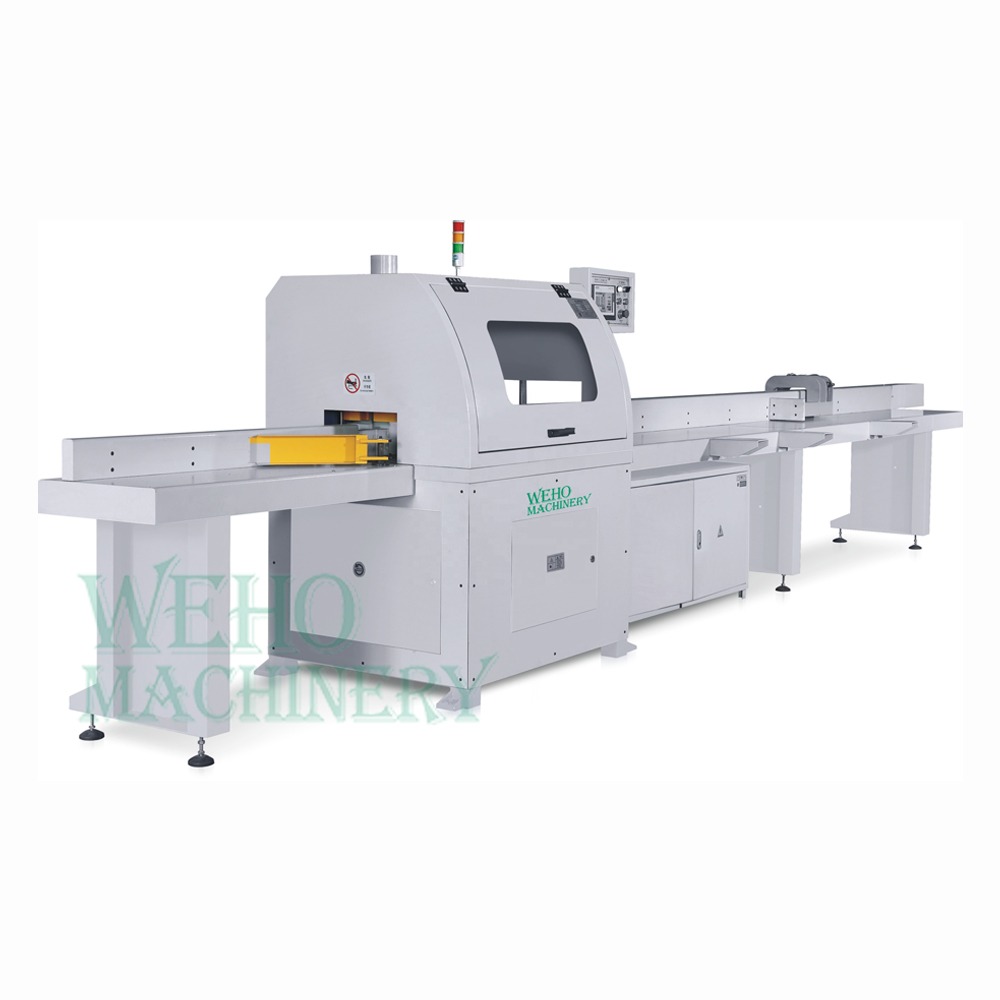
Manufacturing facilities in 2026 face mounting pressures from skilled labor shortages, rising raw material costs, and stricter workplace safety regulations. In this demanding environment, table circular saw machines remain essential for panel processing in cabinetry, furniture manufacturing, architectural millwork, and custom interior projects. These machines have evolved significantly from traditional mechanical systems reliant on manual adjustments and basic digital readouts. Today’s smart models integrate interconnected technologies that transform the conventional table circular saw from a standalone tool into a high-performance Industry 4.0 data node. By enabling real-time data collection, precision automation, and seamless workflow integration, these advanced systems deliver superior accuracy, optimized material usage, and enhanced efficiency, making them particularly valuable for high-mix, low-volume production environments.
Technological Foundations of Smart Sawing Systems
Precision Servo-Driven Positioning Systems
Precision servo-driven systems form the foundation of modern smart table circular saw machines. CNC programmable rip fences replace outdated hand-cranking mechanisms and manual tape measurements. These servo motors deliver automated adjustments at the micron level, ensuring exceptional repeatability and accuracy throughout extended production runs. The technology eliminates human measurement variations and supports complex cutting patterns with reliable consistency.
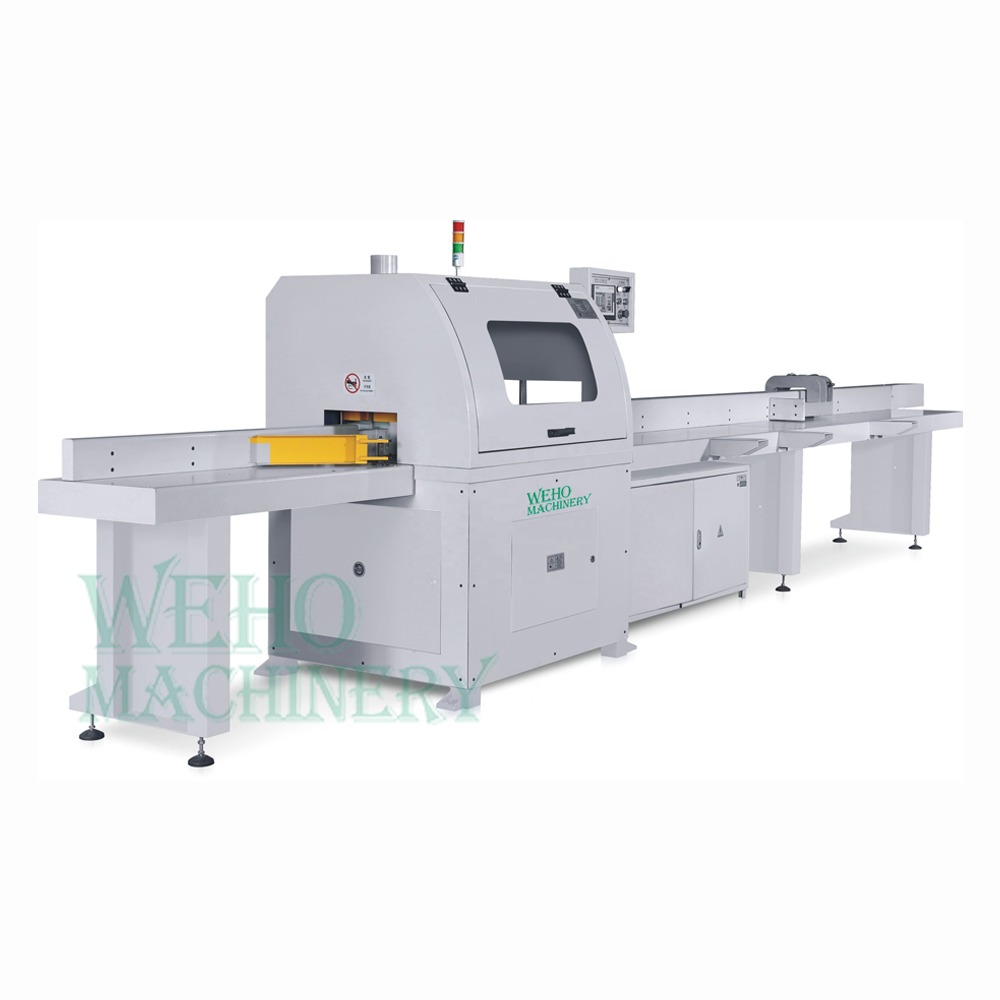
Instantaneous HMI calibration enhances operational speed. Operators adjust blade height, scoring blade alignment, and bevel angles through clear touchscreen interfaces or barcode scanning. Full machine profiles load within one to three seconds, enabling rapid transitions between different material types and cutting sequences. This quick-response capability significantly reduces downtime during batch changes and supports agile manufacturing processes.
Together, servo positioning and digital calibration allow workshops to execute intricate designs confidently. The systems maintain precise tolerances whether producing detailed cabinet components or large-scale architectural elements, contributing to improved assembly quality and overall product standards.
Predictive Maintenance and Machine Health Sensor Networks
Contemporary smart sawing systems incorporate comprehensive sensor networks for continuous machine monitoring. Vibration sensors, temperature probes, and current-draw monitors installed on the main spindle identify subtle anomalies before they develop into major issues. Local edge computing algorithms analyze this data in real time to determine exact blade wear levels and predict maintenance requirements with high accuracy.
This predictive strategy shifts maintenance from reactive repairs to planned, condition-based interventions. Floor managers receive clear alerts through integrated shop floor dashboards, enabling scheduled servicing during natural production intervals. The outcome includes substantially lower unscheduled downtime, longer component lifespan, and more stable production performance.
Historical performance data collected by the sensors also supports ongoing process refinement. Technical teams can review trends in spindle behavior or vibration patterns to fine-tune cutting parameters for specific materials, driving continuous improvements in efficiency and quality.
Next-Generation Active Safety Intelligence
Safety features in current table circular saw machines extend well beyond traditional physical guards. AI vision cameras and human-capacitance sensors monitor the work area continuously, detecting operator proximity or unexpected movements with exceptional speed. Upon identifying a potential risk, the system activates protective responses within milliseconds.
Non-destructive emergency braking technology stands out as a key innovation. When triggered, the mechanism safely lowers and stops the high-speed blade without damaging the spindle assembly or blade chassis. Operations can resume quickly after clearance, maintaining productivity while upholding the highest safety standards.
These intelligent systems adapt automatically to different workpiece sizes, material types, and cutting configurations. Operators benefit from reduced physical strain and greater confidence, knowing that multiple protection layers operate seamlessly. The advanced safety architecture aligns with current regulatory expectations and fosters a positive workplace culture centered on employee well-being.
Industry 4.0 Integration and Adaptive Processing
Cloud-to-Machine Connectivity
Smart table circular saw machines feature seamless integration with enterprise resource planning (ERP) and manufacturing execution systems (MES). Optimized cut lists transfer directly from office software to the machine’s HMI, eliminating manual data entry and associated errors. This connectivity ensures complete alignment between digital designs and physical cutting operations.
Production teams can modify cutting requirements remotely, with updates reflected instantly on the shop floor. Real-time feedback on machine status, material consumption, and job progress flows back to central systems, providing full operational visibility and supporting data-driven decision making.
Real-Time Adaptive Control
Adaptive processing represents another major capability of smart systems. Integrated sensors continuously assess material density and characteristics during cutting. The control unit automatically adjusts feed rates, cutting speeds, and blade parameters to match the specific material—whether processing dense hardwoods, lightweight MDF, or delicate laminated panels.
This dynamic optimization delivers cleaner edges with minimal chipping, especially on sensitive double-sided melamine or high-pressure laminates. Improved surface quality often reduces or eliminates subsequent finishing steps, saving time and resources across the production process.
When combined with upstream nesting software, the system creates an efficient closed-loop workflow. Material layouts are optimized before cutting begins, and real-time adjustments maximize yield while minimizing waste in every batch.
Performance Comparison: Traditional vs Smart Systems
Smart table circular saw technology delivers clear operational advantages. The table below illustrates key differences:
|
Operational Metric |
Traditional Manual/Semi-Auto Systems |
2026 Smart Automated Systems |
|
Setup & Calibration Time |
3 to 5 minutes per batch change |
1 to 3 seconds via automated profile loading |
|
Operator Skill Dependency |
High (requires experienced cabinetmakers) |
Low (intuitive menu-driven interface) |
|
Material Yield & Waste |
Dependent on human calculation errors |
Optimized via upstream nesting software integration |
|
Safety Mitigation |
Passive guards; higher repetitive stress risk |
Active sensor array with zero-damage emergency stop |
|
Maintenance Protocol |
Reactive (fix after breakdown) |
Predictive (condition-based alerts via IIoT) |
|
Daily Output Capacity |
Limited by manual adjustments |
Significantly increased through automation |
|
Cut Quality Consistency |
Variable based on operator experience |
Highly consistent across shifts |
These improvements compound over time, supporting higher throughput and more predictable production results.
Financial Analysis: Quantifying the ROI of Automation
Labor Optimization
Advanced HMI interfaces dramatically shorten operator training timelines. Tasks that once required months of apprenticeship now become manageable within days through guided, menu-driven workflows. This acceleration helps manufacturers overcome skilled labor shortages while sustaining high productivity levels.
Lower skill barriers also improve workforce flexibility. Experienced staff can focus on specialized tasks, enhancing job satisfaction and overall workshop efficiency.
Waste Reduction and Overall Equipment Effectiveness
Automated precision virtually eliminates common cutting errors such as inaccurate rips, misaligned cross-cuts, and edge damage on premium materials. Material utilization rates typically improve by 8-15%, generating substantial savings when working with expensive sheet goods.
Higher Overall Equipment Effectiveness (OEE) emerges from reduced downtime, faster changeovers, and consistent output quality. Most installations recover their investment within 12 to 18 months through combined benefits in labor savings, material efficiency, and increased daily production capacity. Long-term advantages include lower maintenance expenses and extended equipment service life.
Additional Operational Benefits
Smart table circular saw machines also support business scalability. Workshops can expand output without corresponding increases in floor space or headcount. The rich operational data generated during production assists with quality control, process optimization, and strategic planning. When integrated with other intelligent machinery, these saws contribute to highly efficient production cells that multiply overall performance gains.
Conclusion
Smart table circular saw machinery has emerged as a fundamental requirement for commercial workshops striving to maintain competitiveness in high-mix, low-volume markets. These systems effectively combine rugged mechanical construction with sophisticated automation technologies, delivering reliable precision, enhanced safety, and valuable production intelligence.
Manufacturers benefit from partnering with forward-engineered solution providers like WEHO that offer durable hardware supported by cutting-edge digital features. Such collaboration enables workshops to build production lines that remain adaptable and efficient as industry demands continue to evolve.