Solving Common Wood Drilling Problems: Splintering and Tear-out
Wood drilling forms the backbone of countless woodworking projects. It creates holes for fasteners, dowels, hinges, and hardware in furniture, cabinetry, and structural elements. Yet two persistent challenges often disrupt results: chip splatter and edge tear-out. These issues lead to wasted stock, extra sanding, and delayed timelines.
This article explores both problems in depth. It offers practical solutions drawn from proven industry practices and advanced machinery. Readers will gain actionable strategies that enhance precision, reduce waste, and improve overall output.
Understanding Chip Splatter
Chip splatter occurs when drilling ejects wood debris forcefully from the hole. This creates a messy workspace, poses minor safety risks, and can embed particles into nearby surfaces. In busy shops, it slows cleanup and affects air quality.
Main Causes
Several factors contribute to excessive splatter. High spindle speeds combined with inadequate chip evacuation top the list. Dull or mismatched bits tear fibers instead of slicing them cleanly. Insufficient workpiece support or weak dust collection allows chips to accumulate and escape.
Mismatched feed rates for specific wood species amplify the effect. Softwoods with open grain produce lighter, more airborne chips. Dense hardwoods yield heavier debris.
Practical Solutions
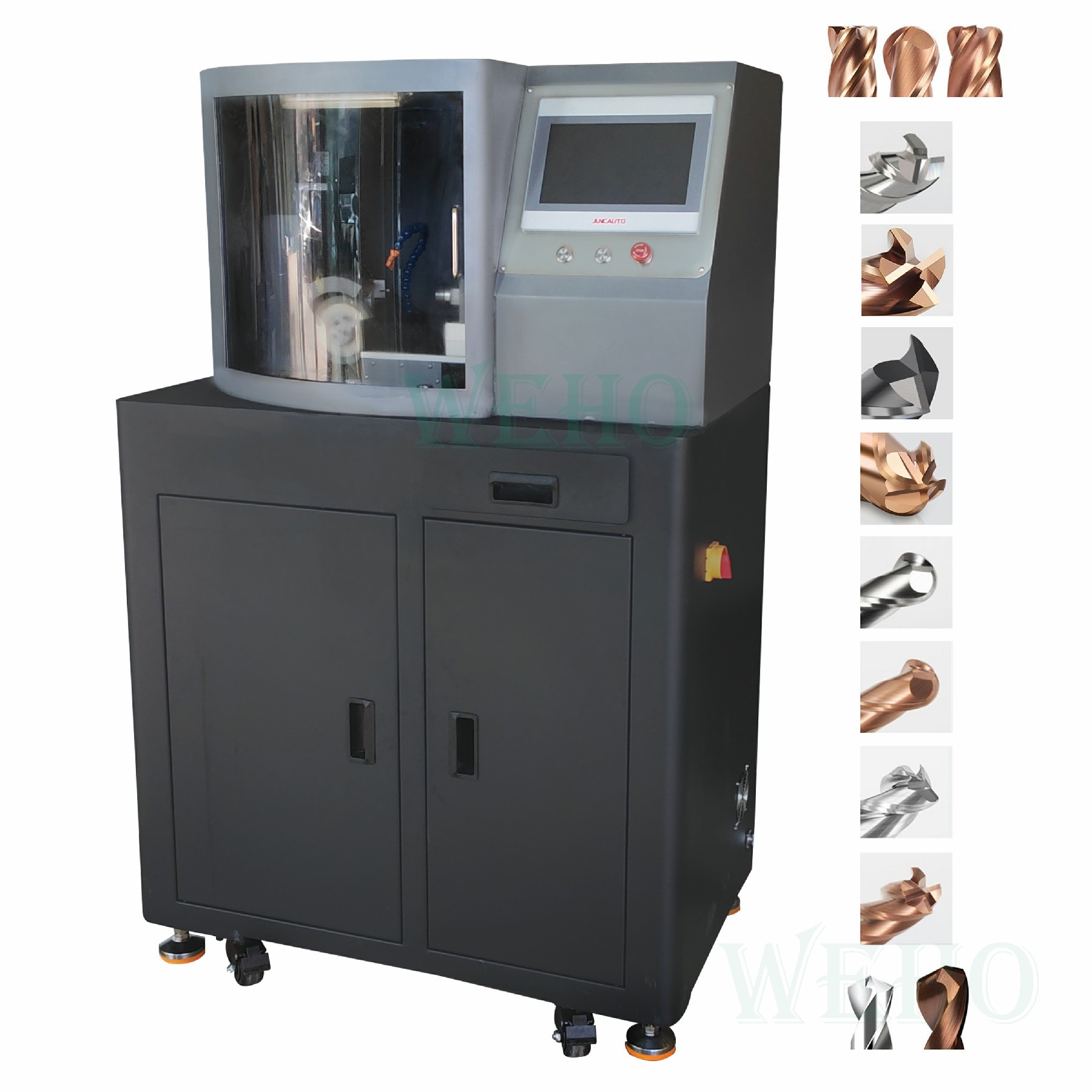
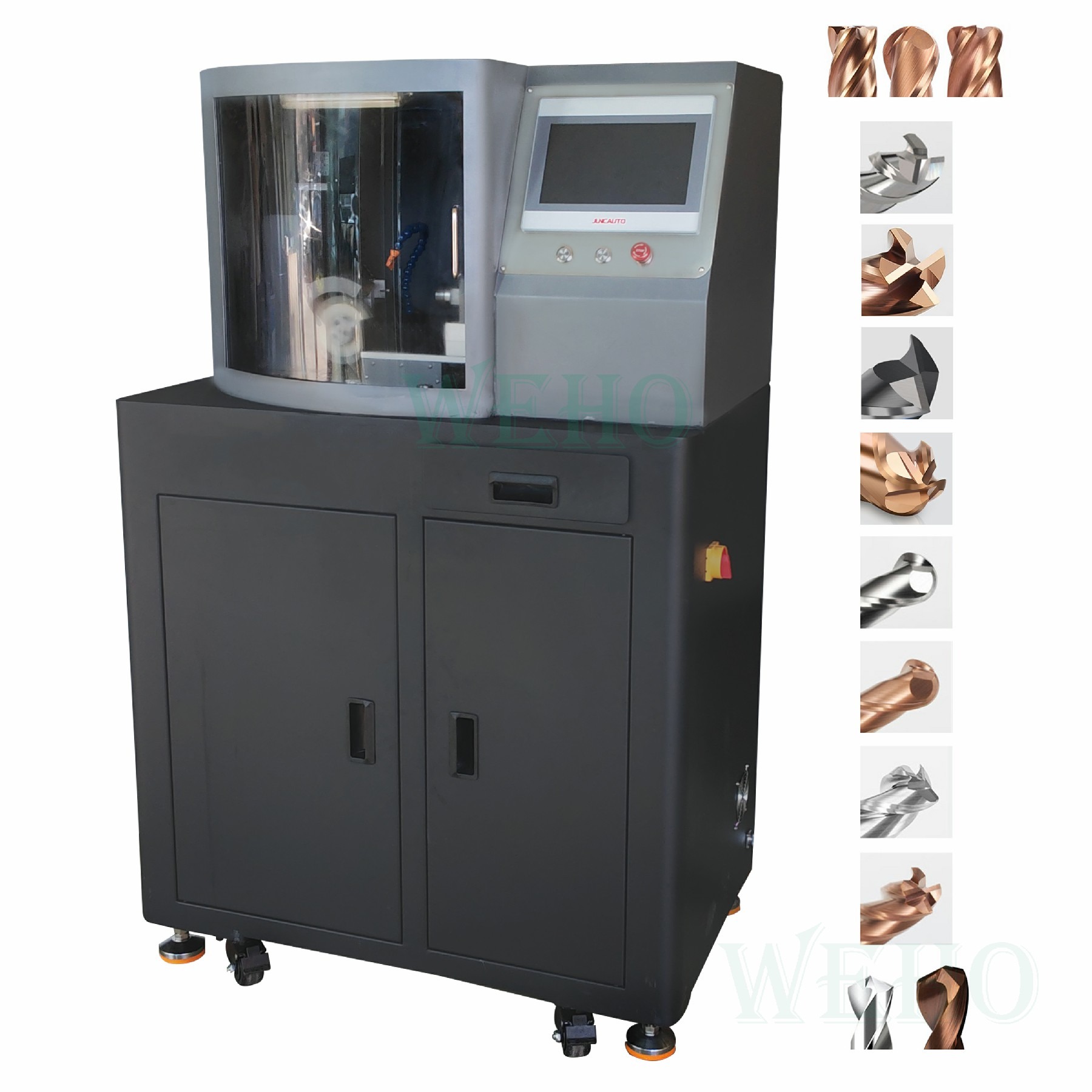
Effective control begins with equipment selection. WEHO multi-spindle boring machines with robust extraction ports manage debris efficiently. These systems maintain clear flutes and cool bits during operation.
Adjustable speed controls further optimize performance across materials. Backing boards provide simple yet powerful support. Clamp a sacrificial piece to the exit side. This contains chips and prevents blowouts.
Combine it with sharp, high-quality bits designed for clean evacuation. Brad point or specialized auger-style bits excel by guiding entry and pulling debris upward. Dust collection integration makes a significant difference. Shop vacuums or central systems attached directly to the machine capture particles at the source.
Proper technique reinforces these tools. Maintain steady, moderate pressure. Avoid forcing the bit. Let the tool do the work at recommended speeds. For repetitive tasks, programmable machines ensure consistency without guesswork.
Eliminating Edge Tear-Out
Edge tear-out appears as splintered or lifted fibers around hole edges. It commonly affects exit points and cross-grain drilling. Visible surfaces suffer most, requiring time-consuming repairs or part replacement. In finished pieces, it compromises aesthetics and joint strength.
Key Contributing Factors
Grain direction drives much of this problem. Fibers running perpendicular to the bit path lift easily without clean severance. Unsupported exits allow the bit to push out material explosively. Dull cutting edges or excessive feed pressure worsen tearing. Softer or figured woods prove especially vulnerable.
Proven Prevention Methods
Prevention combines preparation, tools, and technique. Start with sharp bits. Brad point designs center accurately and score the perimeter before full cutting. This minimizes initial fiber disruption.
For through holes, drill halfway from each side and meet in the center. This approach limits exit damage on both faces. Sacrificial backing remains essential. Secure it firmly against the workpiece. Masking tape over the exit area adds extra fiber support for delicate jobs.
Scoring the hole outline lightly with a knife or awl before drilling further reduces splintering. Machinery choice elevates outcomes dramatically. WEHO horizontal multi-head drilling and mortising systems offer precise control over depth, angle, and speed. CNC-enabled centers achieve tight tolerances.
These advanced setups shine in production environments. Multi-row configurations drill several holes simultaneously. This boosts efficiency while maintaining alignment. Programmable controls reduce setup time between jobs and ensure repeatable accuracy.
Comparative Overview
The table below summarizes key issues, causes, and targeted fixes using modern equipment.
|
Challenge |
Primary Causes |
Recommended Approaches |
Expected Outcomes |
|
Chip Splatter |
Poor evacuation, high speeds, dull bits |
WEHO multi-spindle borers with dust ports, backing boards, optimized RPM |
Cleaner workspace, less cleanup, cooler tools |
|
Edge Tear-Out |
Grain issues, unsupported exits, excessive force |
Sharp brad-point bits, dual-side drilling, WEHO precision multi-head machines |
Smooth edges, reduced rework, stronger joints |
|
Inconsistent Depth/Alignment |
Manual variability, tool flex |
CNC or programmable drilling centers, stable fixtures |
Uniform results, faster production cycles |
|
Material Waste |
Frequent defects and repairs |
Integrated systems with adjustable controls |
Higher yield, cost savings, better finishes |
This overview highlights how equipment upgrades address multiple problems simultaneously.
Advanced Techniques and Best Practices
Beyond basics, several strategies refine drilling performance.
Material-Specific Approaches
Consider wood species properties. Maple and oak demand slower feeds and higher speeds for clean cuts. Pine and cedar benefit from gentler pressure to avoid compression tears.
Bit maintenance deserves routine attention. Inspect flutes for buildup. Hone or replace bits promptly. Sharp tools cut efficiently. They generate less heat and vibration, which reduces both splatter and tear-out.
Setup and Safety
Clamping and fixturing play critical roles. Secure workpieces solidly to prevent movement. Vibration causes ragged holes. Use jigs for repetitive hole patterns. These ensure consistent positioning and support.
For large panels or cabinet components, WEHO multi-spindle horizontal borers prove invaluable. They process rows of holes accurately in one pass. This suits hinge lines, shelf pins, and dowel joints. Reversible models add flexibility for different orientations.
CNC mortise and drilling centers take automation further. They execute complex layouts from digital files. Operators load material, and the machine handles positioning, depth, and sequencing. Daily output can reach thousands of precise holes with minimal supervision. Accuracy stays high even during extended runs.
Safety integrates into every step. Wear eye protection and dust masks. Secure long hair and loose clothing. Keep hands clear of moving parts. Well-maintained machines with proper guards enhance operator confidence.
Workflow Integration
Incorporate these solutions into daily operations systematically.
Planning and Preparation
Begin with project planning. Identify critical holes on finished faces. Plan drilling sequences to minimize tear-out risks. Group similar operations to reduce setup changes.
Stock preparation matters. Ensure boards are flat and stable. Joint and plane surfaces beforehand. This promotes even drilling pressure and better bit performance.
Execution and Quality Control
Tool organization speeds transitions. Keep frequently used bits, backing materials, and measuring tools nearby. Digital readouts on advanced machines eliminate manual measurements for depths and spacings.
Quality checks at each stage catch issues early. Inspect sample holes before full production runs. Adjust settings as needed. This proactive approach prevents costly mistakes downstream.
Maintenance for Reliability
Maintenance schedules support long-term reliability. Clean machines after shifts. Remove resin and dust buildup. Lubricate guides and bearings according to guidelines. Check spindle runout periodically. These habits extend equipment life and sustain precision.
Training team members on best practices multiplies benefits. Demonstrate proper bit selection, clamping techniques, and machine controls. Encourage feedback on real-world performance. Continuous improvement keeps operations competitive.
Real-World Applications
Furniture manufacturers using WEHO multi-row drilling systems report substantial gains. Chip splatter decreases sharply. Edge quality improves on visible components. Assembly times drop because parts fit better from the start.
Cabinet shops benefit from CNC drilling centers. They produce consistent hinge cups and shelf holes across batches. Customization becomes easier without sacrificing speed. Waste reduction contributes directly to profitability.
Specialty millwork operations handle hardwoods and intricate designs more confidently. Precision mortising machines create clean tenons and recesses. The results meet high client expectations for visible joinery.
Smaller workshops gain advantages too. Even entry-level multi-spindle models outperform basic drill presses for repetitive tasks. They free skilled workers for finer details while handling volume work reliably.
Across scales, the combination of technique and technology transforms drilling from a bottleneck into a strength.
FAQs
Q: What triggers the worst chip splatter?
A: High speeds without proper clearance or support. Address it with quality WEHO multi-spindle equipment and dust collection.
Q: How can tear-out be prevented on expensive hardwoods?
A: Apply backing boards, use sharp specialized bits, and drill from both sides where possible. WEHO precision machinery maintains clean edges.
Q: Do handheld drills work for professional results?
A: They suit occasional or site work. Dedicated WEHO boring and mortising machines provide superior consistency for shop production.
Q: What role does bit choice play?
A: Significant. Brad point and auger designs reduce wandering and tearing compared to basic twist bits.
Q: How often should maintenance occur?
A: Daily cleaning plus regular lubrication and inspections. This keeps performance high and prevents unexpected downtime.
Q: Can these solutions scale to high-volume manufacturing?
A: Yes. CNC and multi-head systems handle large runs efficiently while preserving quality.
Q: Are there options for angled or specialty drilling?
A: Many advanced machines support adjustable angles and custom fixtures for complex tasks.
Drilling challenges like chip splatter and edge tear-out respond well to informed approaches. Focus on sharp tools, proper support, and capable machinery. These elements deliver reliable, attractive holes across projects.
Woodworkers who master these areas reduce frustration and elevate their craft. They produce stronger assemblies and finer finishes. The investment in better methods and equipment pays dividends through higher productivity and customer satisfaction.
Apply these insights to your next project. Notice the difference in results and workflow. Consistent attention to detail turns common problems into opportunities for excellence.