Straight Blade Grinding Machine vs Circular Blade Grinder: Which Is Better?
In the modern manufacturing and woodworking industries, the choice of grinding and cutting equipment can significantly impact productivity, precision, and overall operational efficiency. Two of the most commonly used machines in workshops and factories are the straight blade grinding machine and the circular blade grinder. While both serve the primary function of sharpening, cutting, and finishing, they have distinct advantages, limitations, and ideal applications. This article will provide a detailed comparison to help you make an informed decision, while also highlighting how WEHO's high-quality solutions can elevate your workshop's performance.
Understanding Straight Blade Grinding Machines
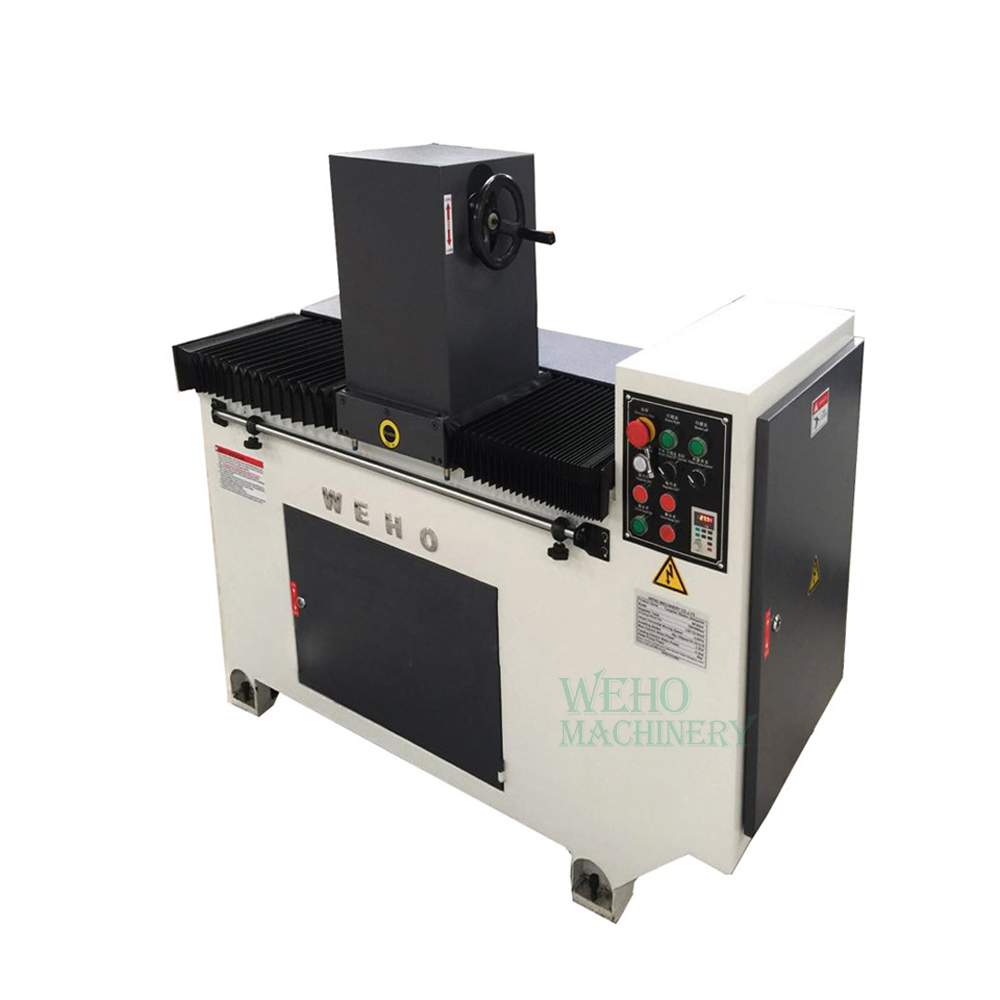
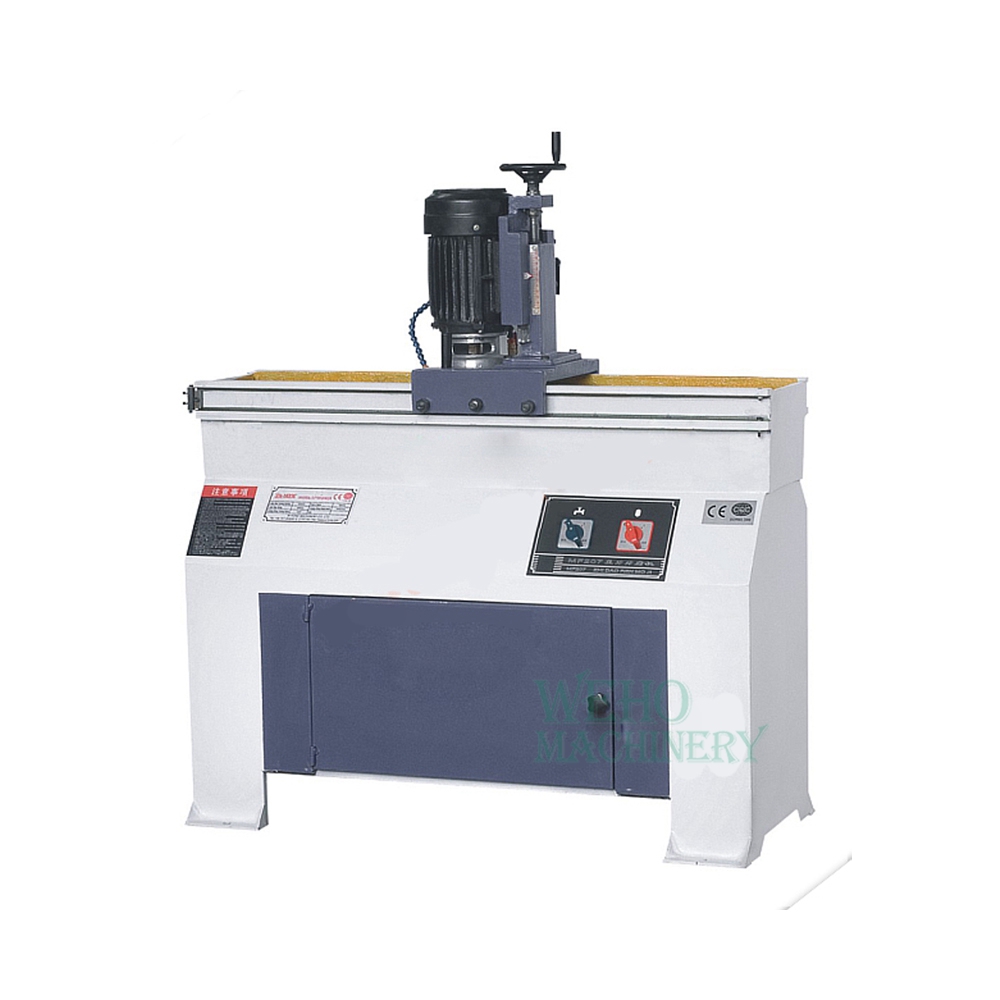
A straight blade grinding machine is designed to sharpen straight-edged tools and blades. It is widely used in metalworking, woodworking, and industrial applications where precision is essential. These machines offer a variety of features that make them suitable for detailed work.
Key Features:
- High Precision Grinding: Straight blade grinders provide accurate edge angles, ensuring sharp and consistent cuts.
- Adjustable Speed and Angle: Many models allow users to adjust the grinding speed and angle, making them versatile for different blade types.
- Durable Construction: Built with robust frames and components, these machines withstand continuous industrial use.
- Safety Measures: Modern straight blade grinders often come with guards and dust collection systems to ensure operator safety.
Common Applications:
- Sharpening knives, straight chisels, and planer blades
- Grinding industrial tools such as dies and punches
- Precision finishing for woodworking and metalworking projects
Advantages of Straight Blade Grinding Machines:
- Exceptional control for fine and straight edges
- Reduced risk of uneven grinding
- Versatile for both soft and hard materials
Exploring Circular Blade Grinders
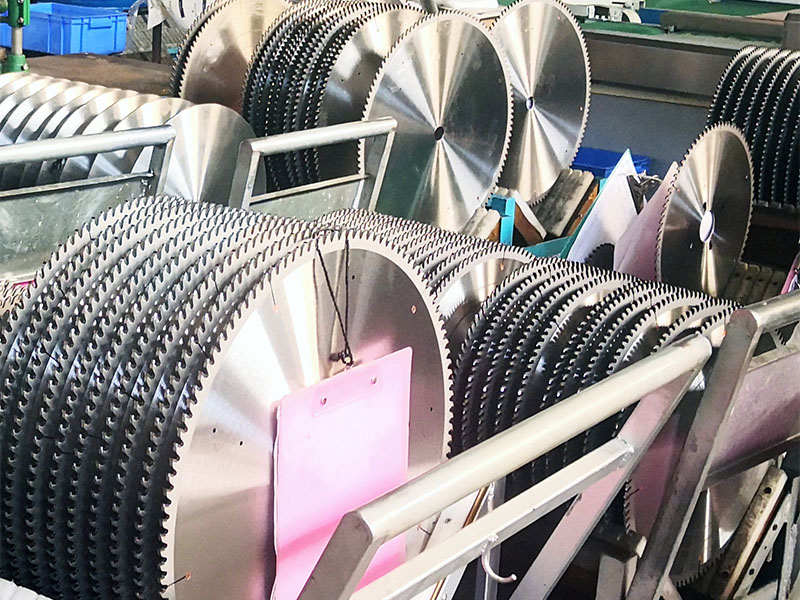
A circular blade grinder, on the other hand, is tailored for sharpening circular saw blades, rotary cutters, and other round-edged tools. These machines are indispensable in industries where circular cutting tools are heavily used, such as carpentry, metal fabrication, and flooring installation.
Key Features:
- Specialized Blade Holding: Circular grinders securely hold round blades, preventing wobble during grinding.
- High-Speed Operation: These machines often operate at higher speeds, allowing rapid sharpening of multiple teeth simultaneously.
- Uniform Edge Sharpening: Circular grinders ensure all teeth of the blade are ground to a uniform angle, optimizing cutting efficiency.
- Compact Design: Many circular blade grinders are designed for small workshops, offering portability without sacrificing functionality.
Common Applications:
- Sharpening circular saw blades
- Maintaining rotary cutters and industrial circular knives
- Ensuring consistent cutting performance in large-scale production
Advantages of Circular Blade Grinders:
- Saves time by grinding multiple teeth at once
- Maintains uniform cutting angles
- Reduces vibration and blade damage during sharpening

Straight Blade vs Circular Blade: Key Differences
When comparing straight blade grinding machines and circular blade grinders, several factors help determine which machine is better suited for your workshop.
Precision: Straight blade grinders are designed for meticulous work, offering exceptional control for straight edges and fine detailing. In contrast, circular blade grinders focus on uniform tooth sharpening, ensuring every tooth of a circular saw or rotary cutter has the same angle for consistent cutting performance.
Speed and Efficiency: Straight blade grinders generally operate at a slower pace due to manual adjustments, which is ideal for precision tasks but less suitable for high-volume work. Circular blade grinders, however, can sharpen multiple teeth at once, making them faster and more efficient for batch operations.
Versatility: One of the strengths of straight blade grinding machines is their adaptability. They can handle various blade sizes and materials, making them suitable for different types of tools, from knives to chisels. Circular blade grinders, while excellent for round blades, are specialized machines and less versatile in handling other blade types.
Ease of Use: Circular blade grinders tend to be more user-friendly, particularly models with automated tooth indexing, which reduces the learning curve and ensures consistent results. Straight blade grinders require more operator skill to maintain precise angles, especially for complex or custom blades.
Cost and Maintenance: Straight blade grinders usually have lower initial costs and simpler maintenance, making them ideal for small to medium workshops. Circular blade grinders, with specialized components and higher-speed operation, often come with a higher price tag and require more frequent calibration to maintain performance.
Summary: If your workshop primarily works with straight-edge tools like knives or chisels, a straight blade grinder is the optimal choice. On the other hand, if your operations involve circular saws or rotary cutters, a circular blade grinder is more efficient. Many workshops benefit from having both machines to cover all sharpening needs, combining precision with speed and versatility.
Why WEHO Stands Out
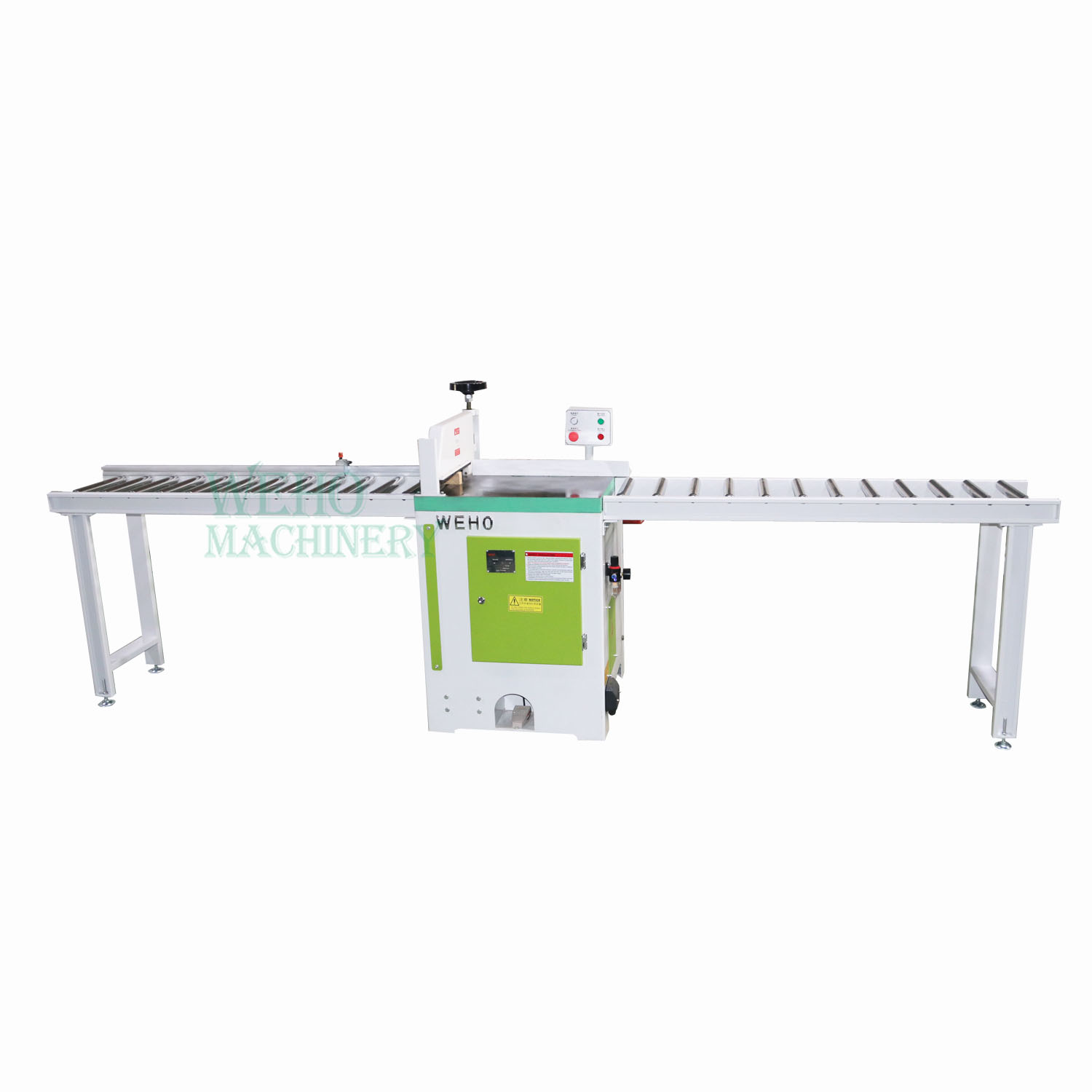
At WEHO, we specialize in providing high-quality grinding solutions for industrial and workshop applications. Our machines are engineered for durability, precision, and safety, ensuring every operator can achieve superior results. Whether you need a straight blade grinding machine for precise metalwork or a circular blade grinder for fast and uniform sharpening, WEHO offers equipment designed to boost efficiency and reduce downtime.
Key Reasons to Choose WEHO:
- ISO-certified production ensuring consistent quality
- Innovative designs that reduce noise, vibration, and wear
- User-friendly interfaces suitable for beginners and experts alike
- Comprehensive after-sales support and maintenance guidance
By selecting WEHO's machines, workshops can achieve higher productivity, better tool longevity, and precise results that directly impact manufacturing quality.
Tips for Choosing the Right Machine
When deciding between a straight blade grinding machine and a circular blade grinder, consider the following:
- Type of Tools: Analyze your most frequently used blades – straight or circular.
- Production Volume: High-volume operations may benefit from faster circular blade grinders.
- Precision Needs: Tasks requiring meticulous edges are better suited for straight blade grinders.
- Budget and Space: Evaluate available space and investment capacity; straight blade grinders are typically more compact and cost-effective.
- Support and Warranty: Opt for reputable manufacturers like WEHO who provide reliable service and training.
Maintenance and Safety Best Practices
Proper maintenance ensures your grinding machine performs efficiently for years:
- Regular Cleaning: Remove dust, metal particles, and debris after each use.
- Inspect Components: Check belts, wheels, and guards periodically.
- Lubrication: Keep moving parts properly lubricated.
- Follow Safety Protocols: Wear protective gear and follow operational guidelines to prevent accidents.
Conclusion
Both straight blade grinding machines and circular blade grinders play vital roles in modern workshops. The ''better'' choice depends on your specific applications, blade types, and production requirements. For maximum efficiency and precision, many businesses find that combining both machines provides the best overall solution.
Choosing WEHO ensures you get high-quality, durable, and precise grinding equipment backed by excellent customer support. By investing in the right machine for your needs, you not only improve operational productivity but also extend the lifespan of your tools and maintain superior manufacturing standards.