Wood Bandsaw Vs Metal Bandsaw: What Is The Difference?
Bandsaws look similar at first glance. Wood bandsaws and metal bandsaws differ in almost every key part. Choosing the wrong machine leads to slow cuts. It also causes rapid blade wear. Poor finish quality follows. Safety risks rise. This guide explains the main differences. It covers blade speed, design, construction and cooling. Use it to pick the right machine. Better performance starts with the correct choice.
Overview of Bandsaws
A bandsaw uses a long continuous blade. The blade forms a loop of toothed metal. It runs around two or more wheels. The design spreads the tooth load evenly. This creates smooth cuts. It also allows curves and irregular shapes. Other saws struggle with those shapes.
Bandsaws cut many materials. Wood, metal and plastic all work with the right setup. The basic frame stays similar. Key parts change for each material. Blade speed changes. Tooth shape changes. Frame strength changes. Cooling systems change. These differences decide performance and safety.
Wood and metal versions share the continuous blade idea. They diverge in how they handle heat, chips and force. Understanding this helps avoid costly mistakes.
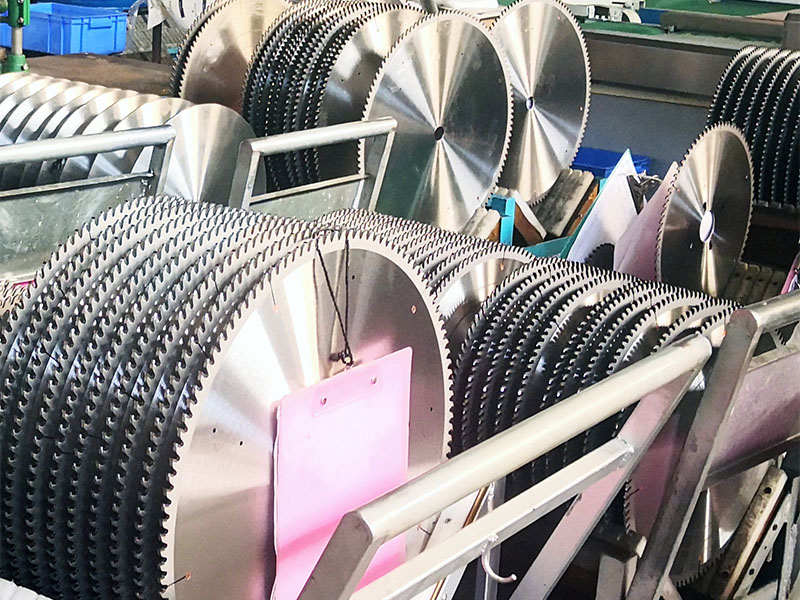
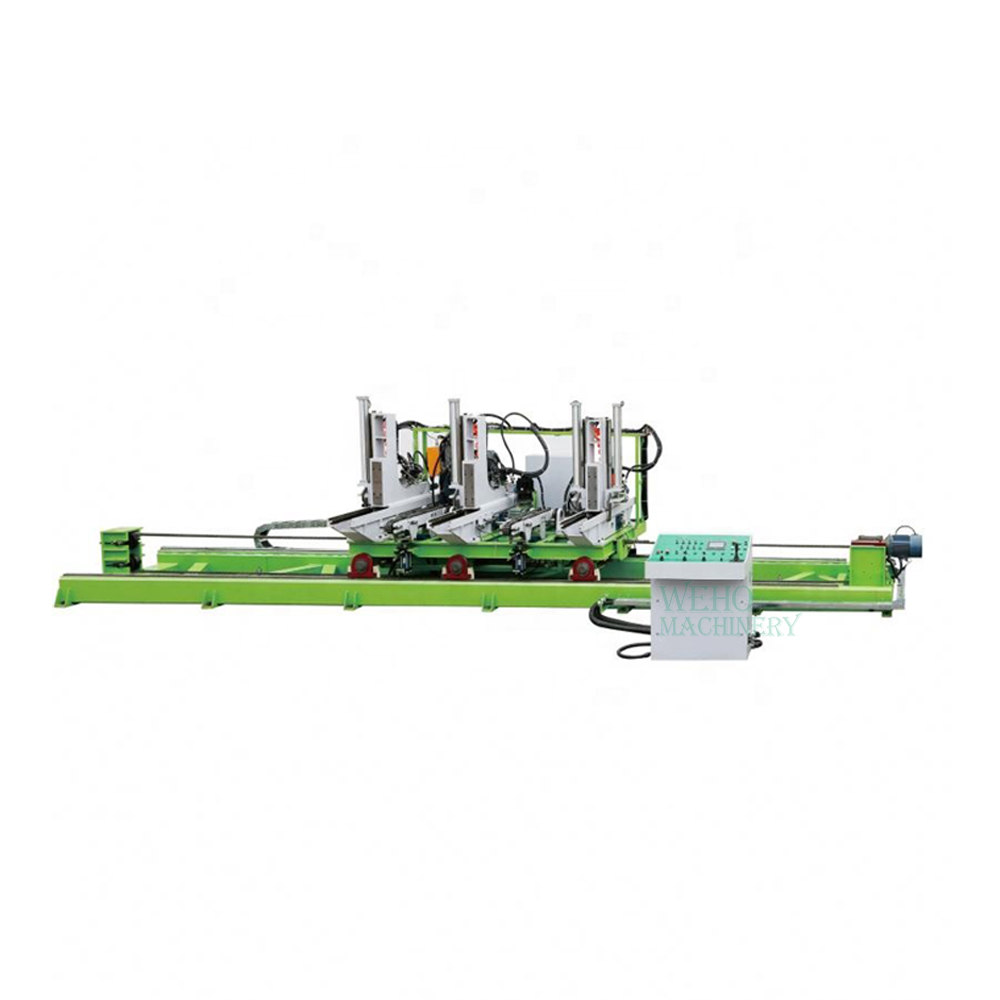
Industrial bandsaw with continuous blade loop and wheel system.
Key Differences Between Wood Bandsaws and Metal Bandsaws
Four main areas separate the two types. Blade speed ranks first. Blade design follows. Construction and durability come next. Cooling and lubrication finish the list. Each area affects daily use.
Blade Speed
Blade speed creates the biggest difference.
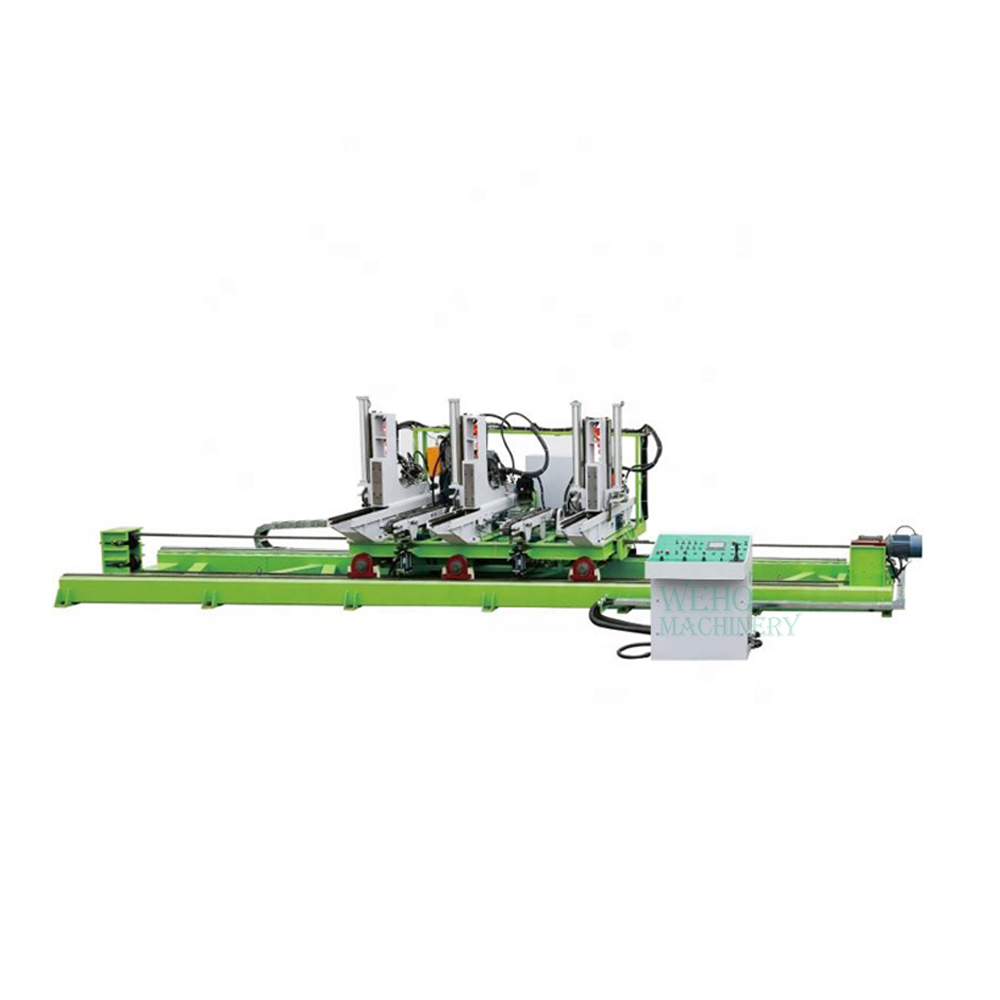
Wood bandsaws run at high speeds. Most exceed 3,000 feet per minute. Some reach 4,000 or 5,000 FPM. High speed clears soft wood chips fast. It produces clean edges in lumber. The soft material does not generate much heat.
Metal bandsaws run much slower. Speeds stay under 300 FPM. Many operate between 50 and 200 FPM. Metal is hard. High speed creates friction heat. Heat damages the blade. It can also harden the metal surface. Cuts then become rough or incomplete.
The speed gap protects the tool. High speed suits wood. Low speed suits metal. Variable speed controls help when materials vary. Fixed high-speed machines work well for pure wood shops. Low-speed machines with good control suit metal shops.
Wrong speed wastes time. It shortens blade life. It raises safety risks from broken blades or poor control.
Blade Design and Material
Tooth shape and spacing differ by material.
Wood blades use larger teeth. The teeth sit wide apart. This design removes bulky wood chips. It prevents clogging. The cut stays open and clear. Tooth pitch stays lower. This matches the soft nature of wood.
Metal blades use finer teeth. The teeth sit closer together. Teeth per inch (TPI) rises. Higher TPI creates smoother surfaces on hard metal. Fine teeth control small chips better. They reduce vibration. The blade lasts longer under load.
Blade material also varies. Wood blades often use flexible carbon steel. Metal blades need harder alloys or bi-metal construction. These resist heat and abrasion from metal.
Wrong blade style causes problems. Large teeth on metal dig in hard. They break or overheat. Fine teeth on wood clog fast. The cut slows. Surface quality drops. Always match the blade to the material and the machine speed.
Construction and Durability
Metal cutting demands more strength.
Metal bandsaws use heavy frames. Columns stay rigid. Components handle high stress. Vibration stays low. This keeps cuts accurate under load. Blade tension systems stay precise. They hold consistent pressure.
Wood bandsaws use lighter frames. They still stay sturdy for woodworking. The focus shifts to table size and access. Operators need clear views and easy adjustments. Weight stays lower for shop mobility in some models.
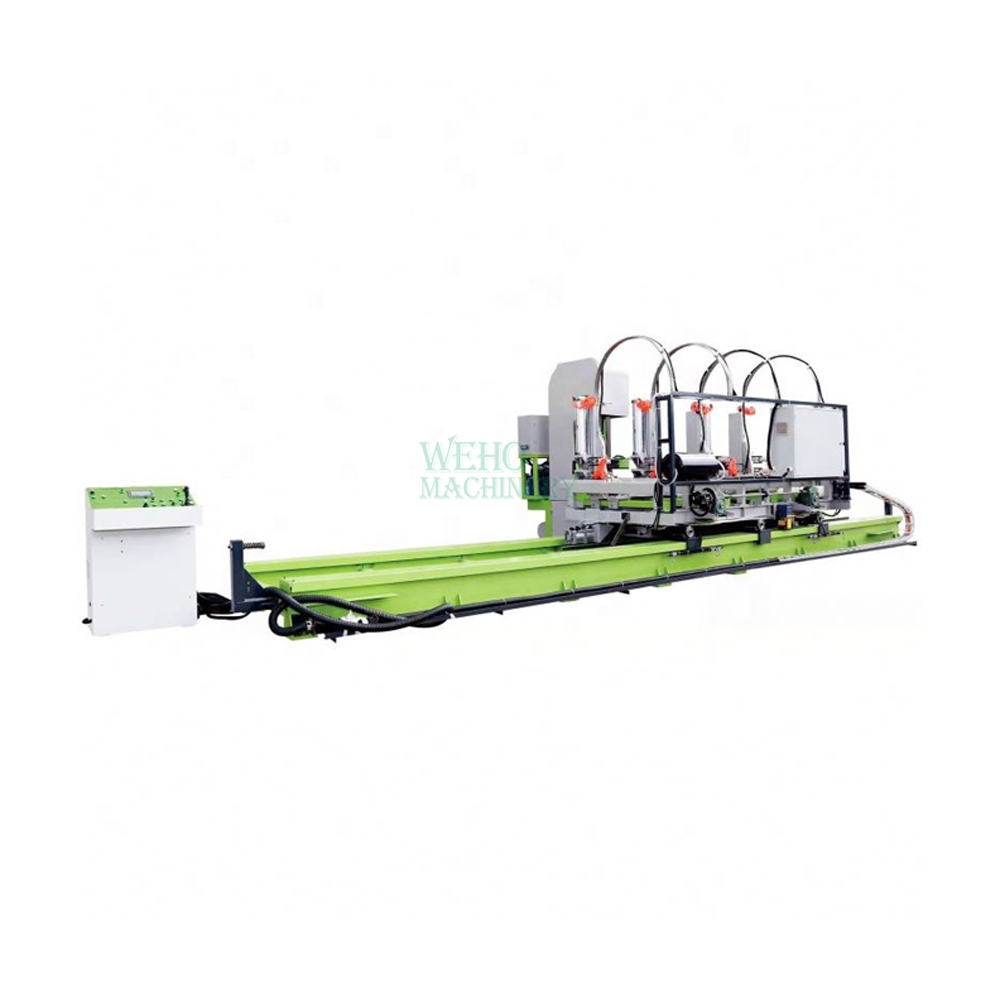
Durability differences show in daily use. Metal machines resist the force of cutting steel or alloys. Wood machines handle softer loads. They emphasize features like tilting tables and fences. Both need solid build quality. Cheap frames flex. Flex leads to inaccurate cuts and faster wear.
Choose based on the main work. Heavy metal work needs the rigid build. Everyday wood work benefits from accessible design.
Blade Cooling and Lubrication
Cooling systems appear mainly on metal bandsaws.
Metal cutting creates heat and fine chips called swarf. Coolant or cutting fluid removes the chips. It reduces friction. It keeps the blade cool. Blade life extends. Cut quality improves. Surfaces stay cleaner.
Wood cutting generates less heat. Wood chips clear more easily. Most wood bandsaws skip coolant systems. Dust collection often matters more. Some shops add basic lubrication for special woods. It remains secondary.
Running a wood bandsaw on metal without cooling fails fast. The blade overheats. Teeth dull or break. The machine suffers. Proper coolant on metal machines prevents these issues. It also improves workplace cleanliness by controlling chips.
Coolant flow on a metal bandsaw clears chips and protects the blade.
Side-by-Side Comparison Table
|
Feature |
Wood Bandsaw |
Metal Bandsaw |
|
Typical blade speed |
Over 3,000 FPM |
Under 300 FPM |
|
Tooth design |
Larger, widely spaced teeth |
Finer teeth, higher TPI |
|
Frame and construction |
Lighter, woodworking-focused |
Heavy-duty, rigid frames |
|
Cooling and lubrication |
Rarely required |
Almost always required |
|
Best applications |
Curves, resawing, joinery, ripping |
Stock cutting, pipe, precise metal shapes |
|
Main risk if misused |
Slow cuts, poor efficiency |
Blade damage, heat, safety hazards |
Wood bandsaws run at high blade speed. They use large teeth. Frames stay lighter. Cooling systems appear rarely. These machines excel at curves, resawing thick boards, ripping lumber and cutting joints.
Metal bandsaws run at low blade speed. They use fine teeth. Frames stay heavy. Cooling systems are standard. These machines excel at cutting metal stock, shaping curves in metal, cutting pipe and handling precise industrial work.
The table shows clear specialization. One machine cannot replace the other without loss of efficiency or safety.
Applications and Use Cases
Correct application matches machine strengths.
Wood Bandsaws in Daily Work
Wood bandsaws shine in furniture shops and lumber work. They cut curves and complex shapes with control. Operators follow patterns easily. Resawing turns thick boards into thinner stock. This saves material and creates book-matched pieces. Ripping sets width on rough lumber. Joinery work includes tenons and dovetails. The high speed and open teeth keep the process smooth.
Many shops use vertical models for better visibility. Horizontal models appear in production resawing. Good fences and miter gauges expand options. Adjustable tables help with angled cuts.
Metal Bandsaws in Daily Work
Metal bandsaws serve fabrication and machine shops. They cut bar, plate and structural stock to exact lengths. Curves and profiles in metal become possible with the right blade and speed. Pipe and tube cut cleanly with reduced burrs. Production environments need consistent results. Low speed and coolant deliver that consistency.
Vertical models help with detailed work and odd shapes. Horizontal models handle repetitive stock cutting. Rigid frames keep accuracy high even on thick sections.
Mixed shops sometimes keep both machines. This avoids compromise on either material.
Choosing the Right Bandsaw for Your Needs
Start with the primary material. This decision guides every other feature.
Features for Wood Bandsaws
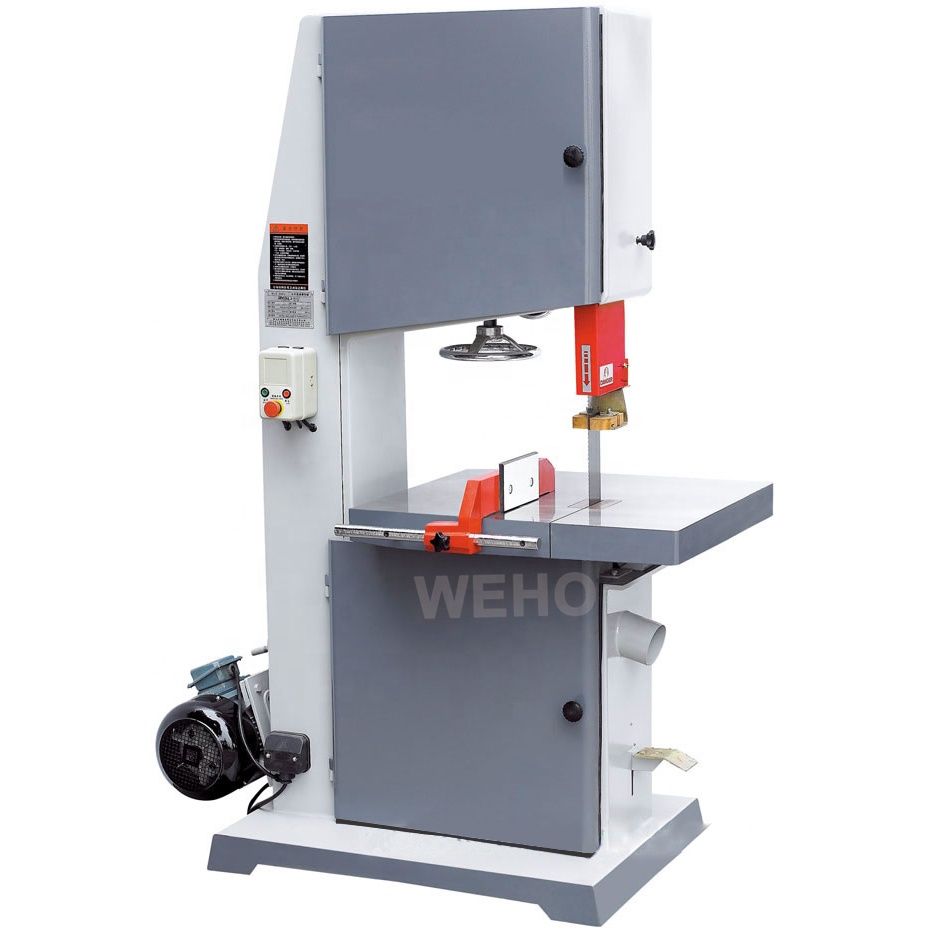
Seek high blade speed for efficient wood removal. Choose blades with larger teeth and wider spacing. Look for sturdy yet accessible construction. Useful extras include adjustable miter gauges, solid rip fences and tilting tables. These support versatile cuts in furniture or general woodworking.
Dust collection ports help keep the area clean. Variable speed adds flexibility for different woods. Table size matters for larger panels.
Features for Metal Bandsaws
Seek low blade speed with good control. Choose blades with finer teeth and higher TPI. Demand heavy-duty frames and components. Essential extras include blade cooling systems and reliable tensioning mechanisms. These protect the blade and maintain accuracy.
Chip brushes or conveyors help with swarf. Strong motors handle tough alloys. Precision guides keep the blade tracking true.
Test the machine if possible. Check blade change ease. Review tension controls. Confirm coolant flow on metal models. Match capacity to the largest stock you cut regularly. Undersized machines struggle. Oversized machines waste space and power.
Budget for quality blades and maintenance. The right machine lowers long-term costs.
Can You Use a Metal Bandsaw to Cut Wood and Vice Versa?
Cross use is possible in theory. It is not practical or safe in most cases.
A metal bandsaw can cut wood. The low speed makes the process slow. Fine teeth do not clear wood chips well. Efficiency drops. Cut quality often suffers. The machine works but underperforms.
A wood bandsaw on metal creates bigger problems. High speed generates excess heat. The blade fails quickly. Teeth dull or break. The cut quality stays poor. Injury risk rises from sudden blade failure or loss of control.
Some operators try special blades or reduced feed rates. Results still lag behind a dedicated machine. Blade costs rise. Downtime increases. Safety margins shrink.
Dedicated machines pay for themselves. They deliver proper speed, correct teeth and needed cooling or access features. Avoid cross use when production or safety matter.
Practical Tips for Better Results
Keep blades sharp and clean. Dull blades force higher feed pressure. This stresses the machine and lowers accuracy. Change blades at the first sign of burning or rough edges.
Set correct tension. Too loose causes tracking problems. Too tight strains the blade and wheels. Follow the manufacturer guide for each model.
Use proper feed rates. Forcing the cut creates heat and deflection. Steady pressure works better. Let the blade do the work.
Maintain coolant systems on metal machines. Clean filters. Check fluid concentration. Poor coolant shortens blade life fast.
Check guides and bearings regularly. Worn parts allow blade wander. Accurate cuts depend on solid support.
Store blades properly. Hang them or keep them in protective wraps. Avoid kinks or moisture damage.
Train operators on the specific machine. Wood and metal techniques differ. Correct stance and feed method improve both safety and quality.
Safety Considerations
Both types need respect. High-speed wood blades can throw chips or break if misused. Low-speed metal blades still store energy. Always use guards. Wear eye protection. Keep hands clear of the blade path.
Secure the workpiece. Use clamps or proper fixtures. Never freehand cut unstable stock. Disconnect power before blade changes or major adjustments.
For metal work, manage coolant carefully. Avoid skin contact with some fluids. Keep the floor dry to prevent slips.
Regular inspection prevents most accidents. Look for cracks in blades. Check for loose components. Address vibration early.
Frequently Asked Questions
Do I need variable speed?
Variable speed helps when cutting different metals or mixed materials. Pure wood shops can use fixed high speed. Metal shops gain from adjustable low speeds.
Vertical or horizontal configuration?
Vertical machines offer better visibility and control for curves and detailed work. Horizontal machines suit production cutting of long stock to length. Many shops use both.
How important is coolant on a metal bandsaw?
Coolant is essential for most metals. It removes heat and chips. Blade life and surface finish improve clearly. Dry cutting works only on limited soft materials and short runs.
What blade life can I expect?
Life depends on material, speed, feed rate and maintenance. Proper setup and cooling extend life significantly. Monitor tooth condition and replace before quality drops.
Can one machine handle both wood and metal?
Some dual-purpose designs exist. They compromise on speed range or features. Dedicated machines deliver better results for each material. Choose dual-purpose only for light mixed use.
Conclusion
Wood bandsaws and metal bandsaws serve different roles—wood models offer high-speed cutting with large teeth for lumber, curves and joinery, while metal models provide low-speed cutting with fine teeth, rigid frames and cooling for stock, pipe and precise shapes. Matching the machine to your main materials protects blades, raises cut quality and improves safety. Review your needs, then browse the WEHO wood and metal bandsaw ranges or contact the team for advice matched to your workshop.