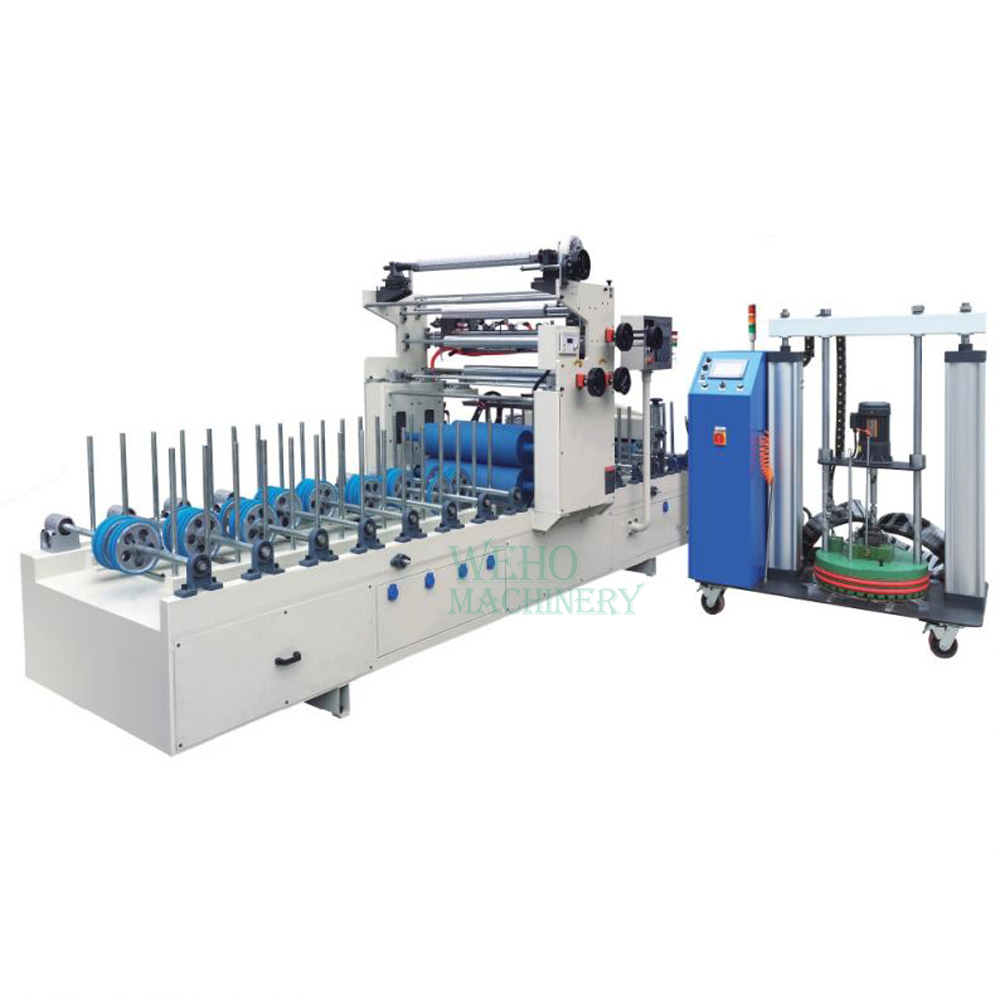
Wood Saw vs Metal Saw: Key Differences, Uses &How to Choose
The difference between a wood saw and a metal saw is defined by cutting purpose, operating speed, and blade structure. A wood saw is designed for fast cutting of soft materials such as timber and plywood. A metal saw is designed for controlled cutting of hard materials such as steel and aluminum. Because of these engineering differences, each tool performs best in its own application and should not be used interchangeably in most cases.
What Is a Wood Saw vs a Metal Saw
A wood saw is built for cutting wood-based materials, including softwood, hardwood, and engineered boards. It focuses on speed and efficiency, allowing fast material removal during cutting tasks.
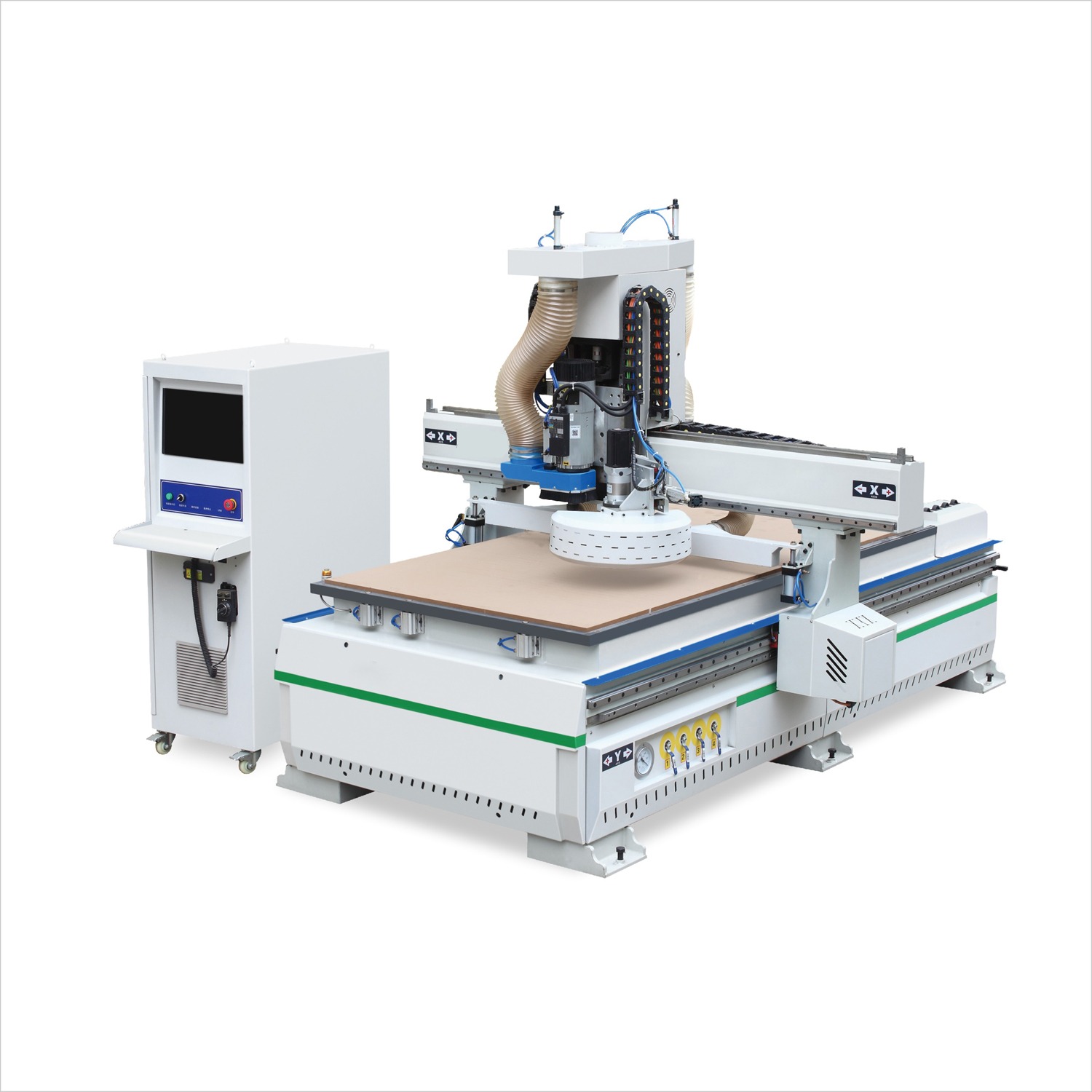
A metal saw is designed for cutting metal materials such as steel, stainless steel, and aluminum. It focuses on stability, precision, and heat control during operation.
The main difference is not only the material but also how the tool manages speed, friction, and resistance.
Key Differences Between Wood Saw and Metal Saw
Cutting Speed Difference
Wood saws operate at high speed because wood has low resistance and can be cut quickly. This increases productivity in woodworking applications. Metal saws operate at low speed because metal produces friction heat. Lower speed helps prevent blade damage and improves cutting safety.
Blade Teeth Design Difference
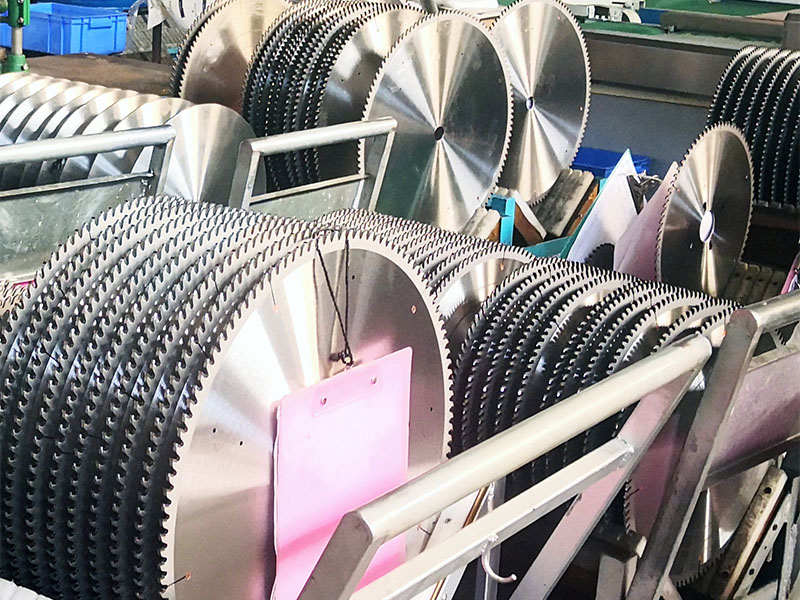
Wood saw blades use fewer and larger teeth. This allows fast chip removal and efficient cutting through wood fibers. Metal saw blades use more teeth with smaller spacing. This improves cutting precision and reduces vibration when working with hard materials.
Blade Material Difference
Wood saw blades often use carbide-tipped teeth for durability and long service life. Metal saw blades are typically made from high-speed steel or bi-metal materials, which provide heat resistance and strength during metal cutting.
Heat Control Difference
Wood cutting produces low heat, so heat control is less critical. Metal cutting produces high heat due to friction, so temperature control is essential to protect both blade and material.
Why Cutting Speed and Blade Design Matter
Cutting speed and blade design determine how efficiently a saw performs on different materials. Wood requires fast cutting to remove fibers efficiently. Metal requires controlled cutting to manage heat and resistance.
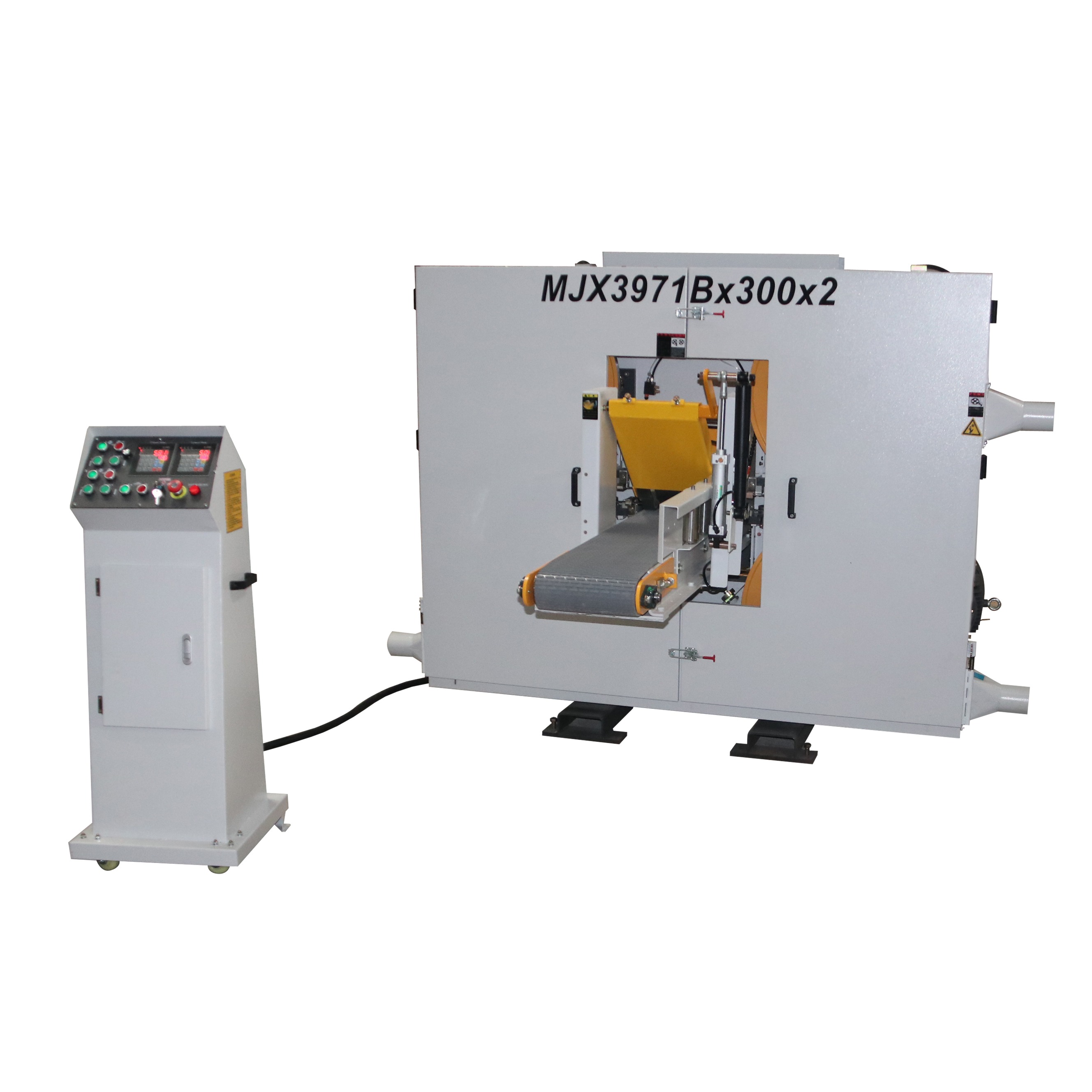
If speed is too high on metal, heat builds up and damages the blade. If speed is too low on wood, cutting becomes inefficient and slow. This is why each saw type is engineered for a specific operating range.
Can a Wood Saw Cut Metal Safely?
A wood saw can cut very thin metals such as aluminum in limited cases, but it is not designed for metal cutting. Regular use on metal causes fast blade wear, poor cutting accuracy, and safety risks.
Wood saws should only be used for wood materials in standard applications. Metal cutting requires dedicated equipment designed for heat resistance and controlled operation.
Can a Metal Saw Cut Wood?
A metal saw can cut wood, but it is not efficient. The cutting speed is slow, and fine teeth may cause friction marks or burn marks on the surface.
While it can be used in special situations, it is not suitable for regular woodworking tasks where speed and productivity are important.
What Happens If You Use the Wrong Saw
Using the wrong saw leads to multiple problems. Blade wear increases, cutting accuracy decreases, and tool stability becomes weaker. In some cases, overheating or vibration may occur during operation.
Each saw is engineered within specific mechanical limits. Exceeding these limits reduces performance and increases long-term maintenance cost.
Wood Saw vs Metal Saw Blade Comparison Table
|
Feature |
Wood Saw |
Metal Saw |
|
Cutting Speed |
High |
Low |
|
Blade Teeth |
Fewer, larger |
More, smaller |
|
Material Focus |
Wood, plywood |
Steel, aluminum |
|
Cutting Result |
Fast, rougher |
Slow, precise |
|
Heat Control |
Low importance |
Critical |
|
Blade Material |
Carbide-tipped |
HSS / Bi-metal |
|
Best Use Case |
Carpentry, construction |
Fabrication, metal processing |
Real Applications in Industry and DIY Use
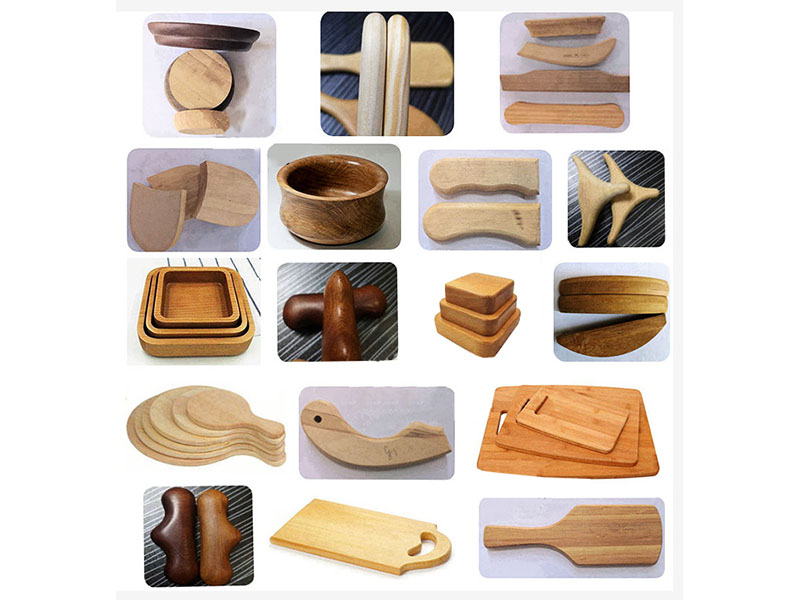
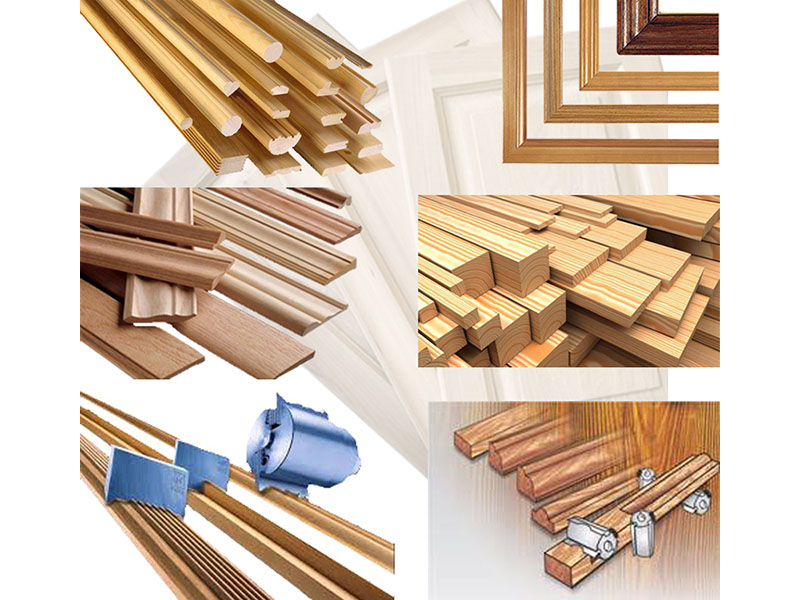
Wood saws are widely used in woodworking industries such as furniture production, construction, and carpentry. They are preferred for their fast cutting speed and efficiency in processing large volumes of wood materials.
Metal saws are essential in metalworking industries such as fabrication, manufacturing, and maintenance. They provide the precision and stability required for cutting hard materials safely and accurately.
In DIY environments, users often try to use one saw for multiple materials. However, this reduces efficiency and increases tool wear. Professional users typically choose dedicated machines to ensure consistent performance and safety.
Which Saw Should You Choose Based on Your Work
If your main material is wood, a wood saw is the most efficient choice because it offers high-speed cutting and fast production output.
If your main material is metal, a metal saw is required because it provides controlled cutting, heat resistance, and better accuracy.
If you work with both materials regularly, using separate machines or industrial-grade systems is the most reliable long-term solution. This improves productivity, safety, and tool lifespan.
Conclusion
Wood saws and metal saws are designed with fundamentally different engineering principles. Each tool is optimized for specific materials and cutting conditions. Using the correct saw improves efficiency, extends tool life, and ensures safer operation.

For industrial-grade cutting solutions and professional equipment, WEHO Machinery[A3] provides machinery designed for durability and precision in demanding applications. Their equipment supports a wide range of cutting needs across woodworking and metalworking industries.
FAQs
Q: Can one saw handle both wood and metal cutting?
A: In most cases, a single saw cannot efficiently handle both materials without performance compromise. While some machines can switch blades or adjust speed, they are generally limited in capability. For frequent use, dedicated saws for each material are recommended.
Q: Is it safe to use a wood saw for cutting metal?
A: Using a wood saw for metal cutting is not safe in regular applications. It can lead to blade damage, poor cutting control, and increased safety risks. It should only be considered in very limited and controlled situations.
Q: What happens if a metal saw is used on wood?
A: A metal saw can cut wood, but the process is slow and inefficient. It may also produce burn marks due to friction and reduced cutting speed. This makes it unsuitable for regular woodworking tasks.
Q: Why do metal saws operate at lower speeds?
A: Metal saws run at lower speeds to reduce heat generation during cutting. Excessive heat can damage both the blade and the material. Lower speeds ensure better control and longer blade life.
Q: How important is blade type in cutting performance?
A: Blade type is one of the most important factors in cutting performance. Tooth size, spacing, and material all directly affect cutting speed, precision, and durability. Using the correct blade for the material is essential for optimal results.