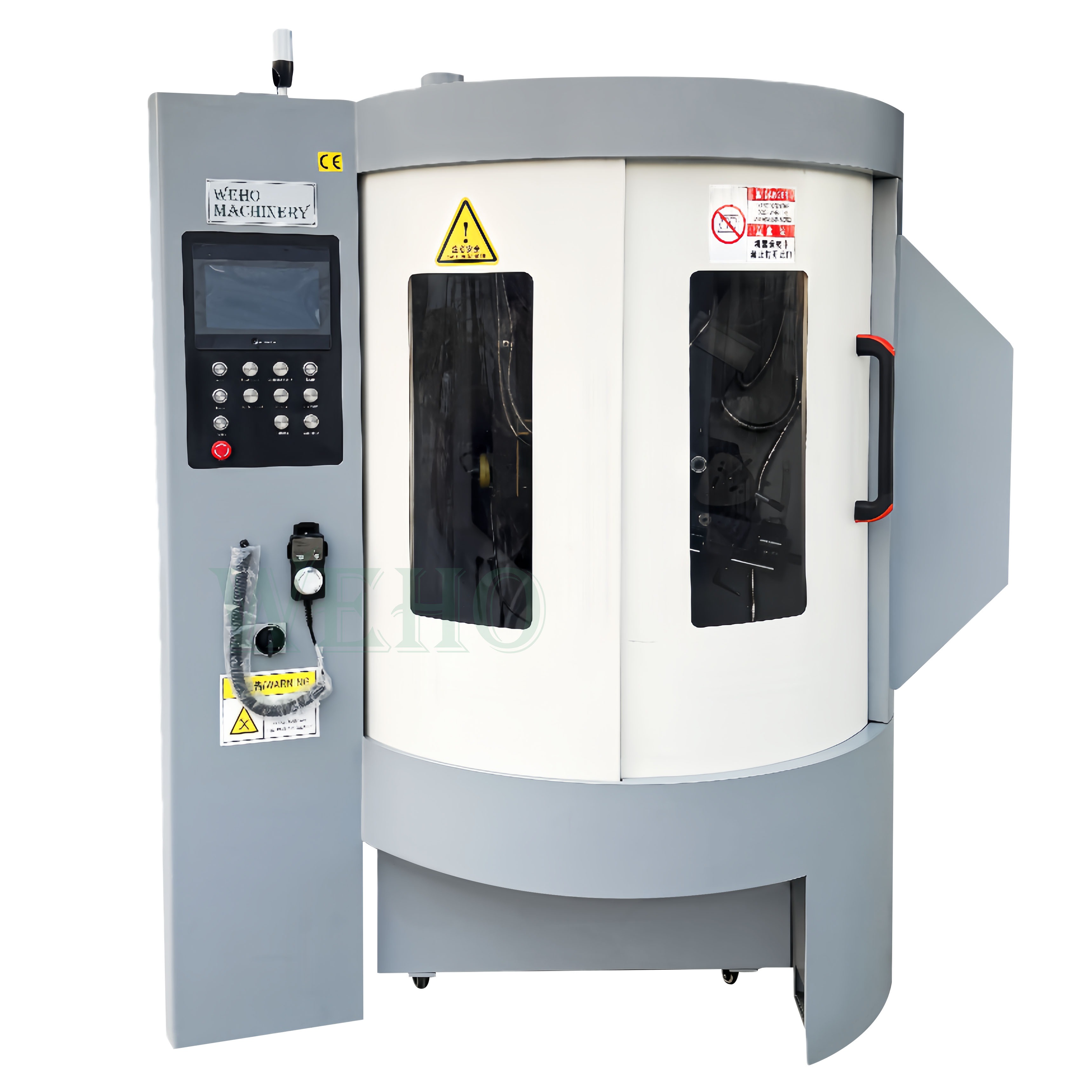
How to Choose the Best Bandsaw Grinding Machine
In today's cutting and manufacturing industry, more and more workshops and factories are choosing to invest in purchasing their own band saw blade grinding machines instead of outsourcing grinding. The reason for this is quite simple: saw blades are expensive, external grinding is time-consuming, and dulled saw blades directly reduce cutting efficiency and product quality.
When blades become dull, cutting speed slows down, the cut surface becomes rougher, and machine energy consumption increases. Over time, this not only affects operational efficiency but also increases operating costs and shortens the lifespan of short blades. For businesses reliant on daily cutting operations, waiting for outsourced blade sharpening can delay production schedules and cause unnecessary downtime.
This is why more and more professionals are considering purchasing band saw blade grinders to easily grind their own saw blades. However, choosing the right machine is not easy. You need to consider whether to buy a manual or automatic band saw blade grinder, when the saw blade needs grinding, and whether owning your own grinder is truly a worthwhile investment. This guide will answer these questions for you.
What is a band saw blade grinder?
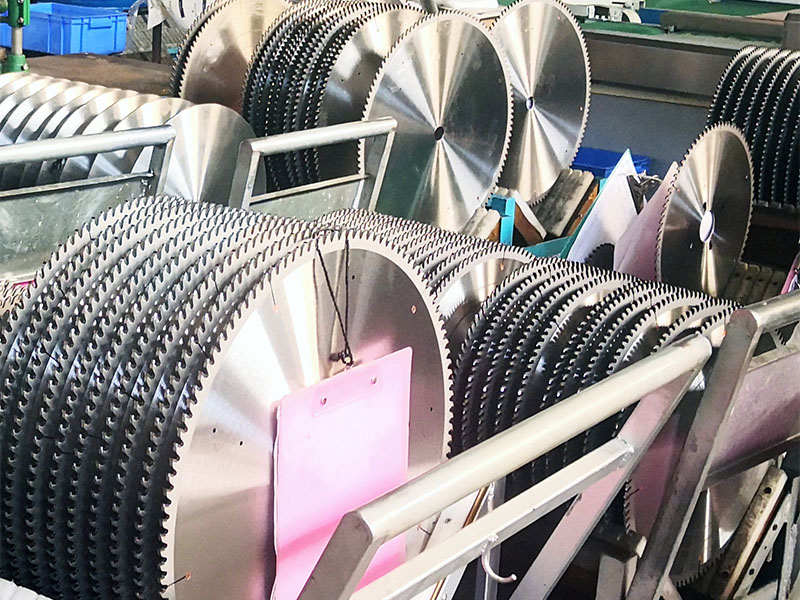
A band saw blade grinder is a machine specifically designed to restore the sharpness, tooth profile, and cutting performance of a band saw blade. Also known as a band saw blade grinder or band saw sharpener, it is designed to precisely and consistently sharpen each tooth of the band saw blade. Unlike general-purpose grinding tools, band saw blade grinders are designed to precisely match the tooth pitch, angle, and profile required for efficient and stable cutting.
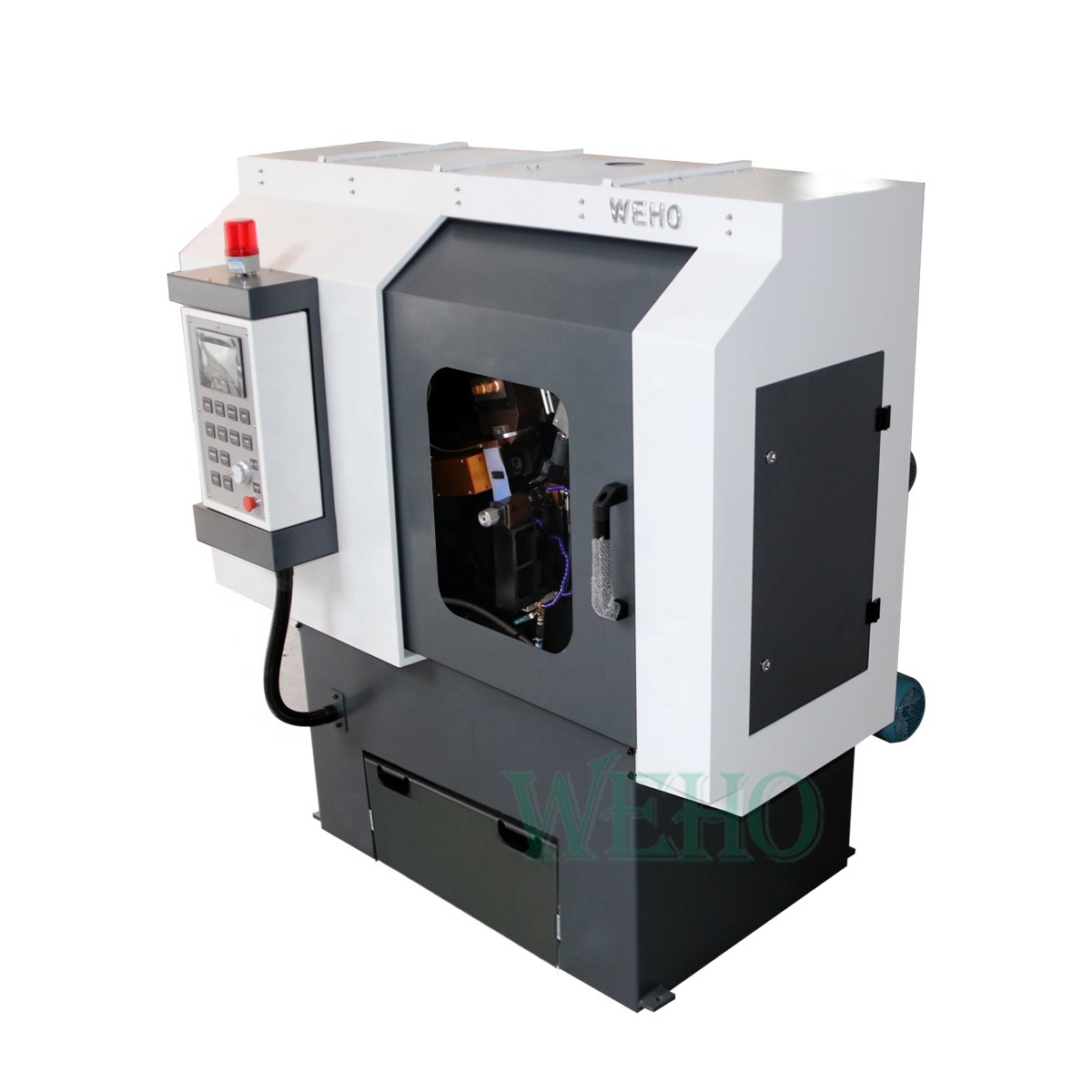
Band saw blades become increasingly dull due to friction, heat, and continuous cutting. When this happens, cutting speed decreases, surfaces become rougher, and the machine needs to work harder to maintain performance. For workshops and factories that rely on daily cutting operations, this not only reduces productivity but also increases operating costs. Therefore, investing in a professional band saw grinder is a wise long-term solution rather than repeatedly outsourcing saw grinding services.
Work Principle
The working principle of a band saw blade grinder is to firmly clamp the saw blade in place, and then use a high-precision grinding wheel to grind each tooth individually. The machine automatically feeds the saw blade, ensuring that the grinding angle, depth, and pressure of each tooth are the same. More advanced models allow operators to adjust parameters such as tooth angle, feed rate, and grinding stroke, thus ensuring compatibility with different types of saw blades and cutting materials. This automated consistency makes machine grinding more precise than manual grinding.
Application Scenarios
Band saw blade grinders are widely used in industries with extremely high requirements for cutting precision and efficiency, including:
· Woodworking factories
· Metal cutting workshops
· Furniture manufacturing plants
· Sawmills and timber processing facilities
· Tool maintenance centers
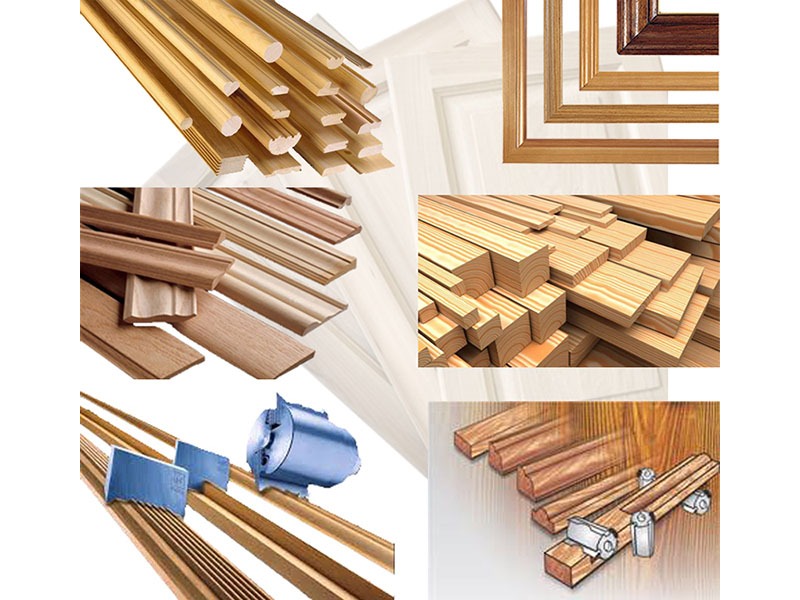
These industries share a common need: frequent blade sharpening. Many companies choose to equip themselves with in-house band saw grinders rather than relying on external services, allowing for complete control over grinding schedules and production progress.
Difference Between a Bandsaw Blade Grinder and a Standard Grinder
While standard grinding machines can sharpen basic tools, they are not designed for the complex tooth profiles of band saw blades. Dedicated band saw blade grinding machines offer several advantages:
Precise tooth angle control
Consistent tooth height
Precise spacing between teeth
Repeatable sharpening effect
Due to this high precision, professionally ground blades typically maintain near-new performance, while blades ground with ordinary grinders may result in uneven cutting or faster wear. This difference directly impacts cutting quality, blade life, and machine stability.
Manual vs Automatic Band Saw Blade Grinders
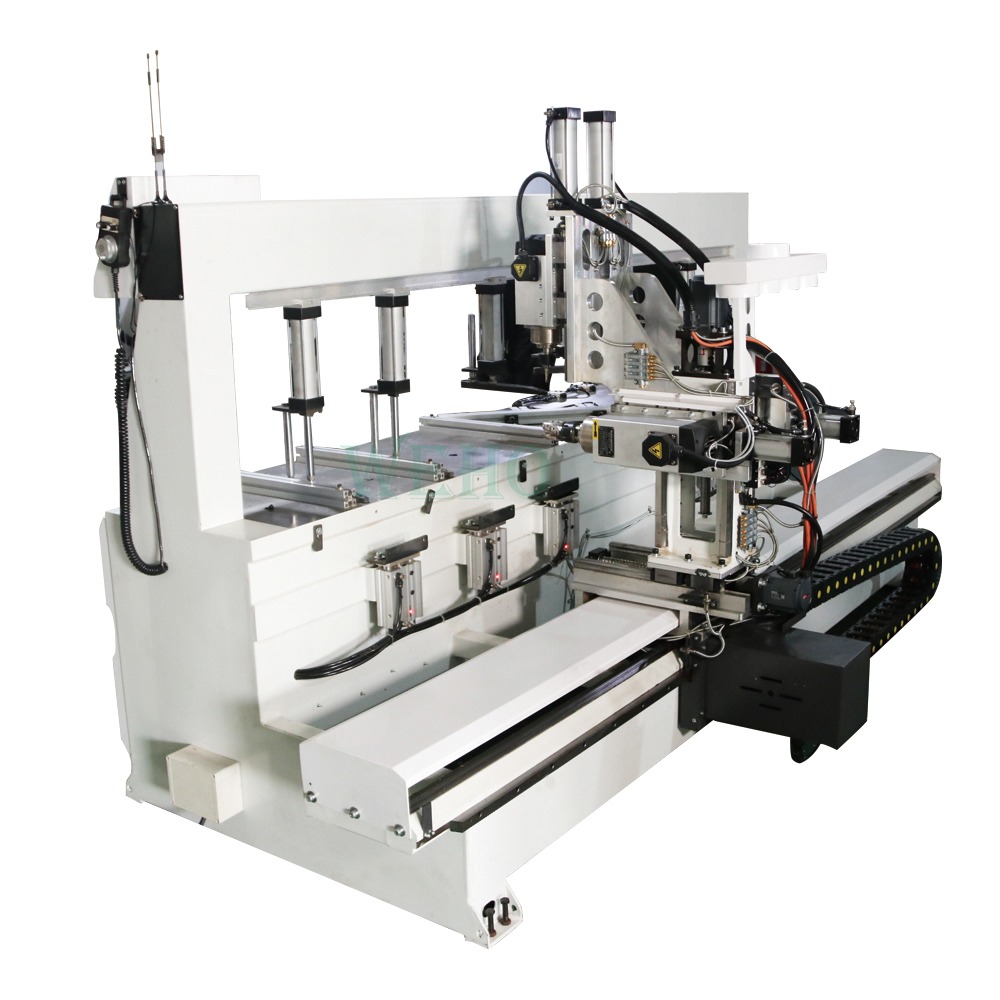
The most important aspect of choosing a machine is deciding between manual and automatic models. Below are the advantages and application scenarios for each of the three machine types:
| Type | Features | Best for |
| Manual | Lower cost, Flexible operation | Small workshops or low usage |
| Semi-Automatic | Balanced efficiency and precision | Medium-scale operations |
| Automatic | High efficiency, minimal labor, consistent result | Factories and production lines |
If a workshop frequently needs to sharpen saw blades or operates multiple saw blade machines daily, an automatic band saw grinder can significantly reduce labor costs and ensure consistent sharpening quality.
When Should You Sharpen a Bandsaw Blade?
Knowing when to sharpen band saw blades is crucial for maintaining cutting efficiency, product quality, and machine stability. Many operators continue to use their blades after they have become dull, leading to slower cutting speeds, increased power consumption, and unnecessary wear and tear on the equipment. Recognizing early warning signs of dull blades can help you sharpen them at the right time, avoiding production delays and costly repairs. Replacement should be considered if the following situations occur.
Cutting Speed Decreases
When teeth lose their sharpness, they cannot effectively penetrate materials, forcing operators to apply more feed pressure. This is the first sign of dulling, which not only slows down production efficiency but also increases stress on the blades and the machine.
Rough cutting surface
If your finished cuts appear rough, uneven, or torn instead of clean and smooth, the blade teeth may no longer be sharp enough. Poor surface quality often leads to additional finishing work, increasing labor costs and reducing overall productivity.
Burn Marks on Material
Burn marks indicate excessive friction between the blade and the material. This usually happens when teeth are worn and cannot remove chips effectively. Continued use in this condition can damage both the blade and the workpiece.
Unusual Noise During Cutting
A sharp blade runs smoothly and quietly. If you notice abnormal noise, vibration, or rattling sounds, it may be a sign that tooth geometry is uneven or worn. Ignoring this can eventually lead to blade damage or machine instability.
Blade Drift or Wandering
If the blade begins to drift away from the intended cutting line, sharpening is urgently required. Blade wandering is often caused by uneven tooth wear or loss of tooth set, which directly affects cutting accuracy and material yield.
In short, if your band saw blade exhibits any of the above symptoms, sharpening it is no longer an option, but a necessity. Early detection of these signs and the use of a suitable band saw blade sharpener will help restore blade performance, extend its lifespan, and maintain consistent cutting results.
Should You Sharpen Blades Yourself or Outsource?
In band saw blade grinding, many workshops face a common dilemma: is it more cost-effective to grind in-house or outsource to a professional grinding service? This depends on your production volume, cost sensitivity, and quality requirements. However, for many medium- to high-load production environments, in-house grinding—especially when using specialized band saw blade grinders—often proves more cost-effective and reliable in the long run.
Cost Comparison
Outsourcing saw blade sharpening may seem inexpensive, but the frequent shipping, handling, and turnaround time can quickly add up to a significant expense. On the other hand, owning your own band saw blade sharpener allows you to directly control sharpening costs and eliminates the need for recurring external service fees over time.
Time Comparison
Sending cutting tools to be ground can cause production delays and downtime because of the time cost of waiting for the tools to return. In contrast, having your own sharpening equipment means that you can sharpen tools as needed, minimizing time costs such as production interruptions.
Precision and Consistency
The quality and turnaround parameters of external services are inconsistent. However, if we use an automatic band saw grinder for internal grinding, we can ensure consistent tooth profile, precise angles, and repeatable grinding results, which is important for maintaining cutting performance and extending saw blade life.
In general, for industries that frequently require saw blade sharpening, investing in a band saw blade sharpener can typically reduce overall operating costs, speed up turnaround times, and improve saw blade performance compared to outsourcing sharpening services.
How to Sharpen Your Bandsaw Blades Yourself
If done correctly, grinding band saw blades yourself can save time and money. Below are methods for efficiently and reliably grinding band saw blades using your own band saw blade grinder.
Clean the Saw Blade
Before grinding, remove all debris, asphalt, and resin buildup from the cutting blade. Clean blades ensure precise contact with the grinding wheel and reduce uneven wear.
Adjust Tooth Angles
Set the correct tooth angle based on the material you will be cutting. Different materials require different rake and hook angles for optimal cutting performance.
Set Grinding Wheel Position
Position the grinding wheel precisely at the correct angle and height for each tooth. This ensures consistent trims across the entire blade length.
Control Feed Speed
Adjust the grinding feed rate according to tooth size and blade type. Automatic machines often allow variable feed settings for finer or more aggressive sharpening.
Check Tooth Geometry Consistency
After grinding, inspect the blade to ensure uniform tooth height and spacing. Any variation can lead to poor cutting quality or vibration during sawing.
By following these instructions and using a dedicated band saw blade grinder, you can keep your saw blade sharp, extend its life, and maintain the precision and cleanliness of your production cuts.
How to Choose the Right Bandsaw Blade Grinding Machine?
Selecting the right bandsaw blade grinding machine depends on your blade usage frequency, material types, and production goals. Below are the key factors to consider:
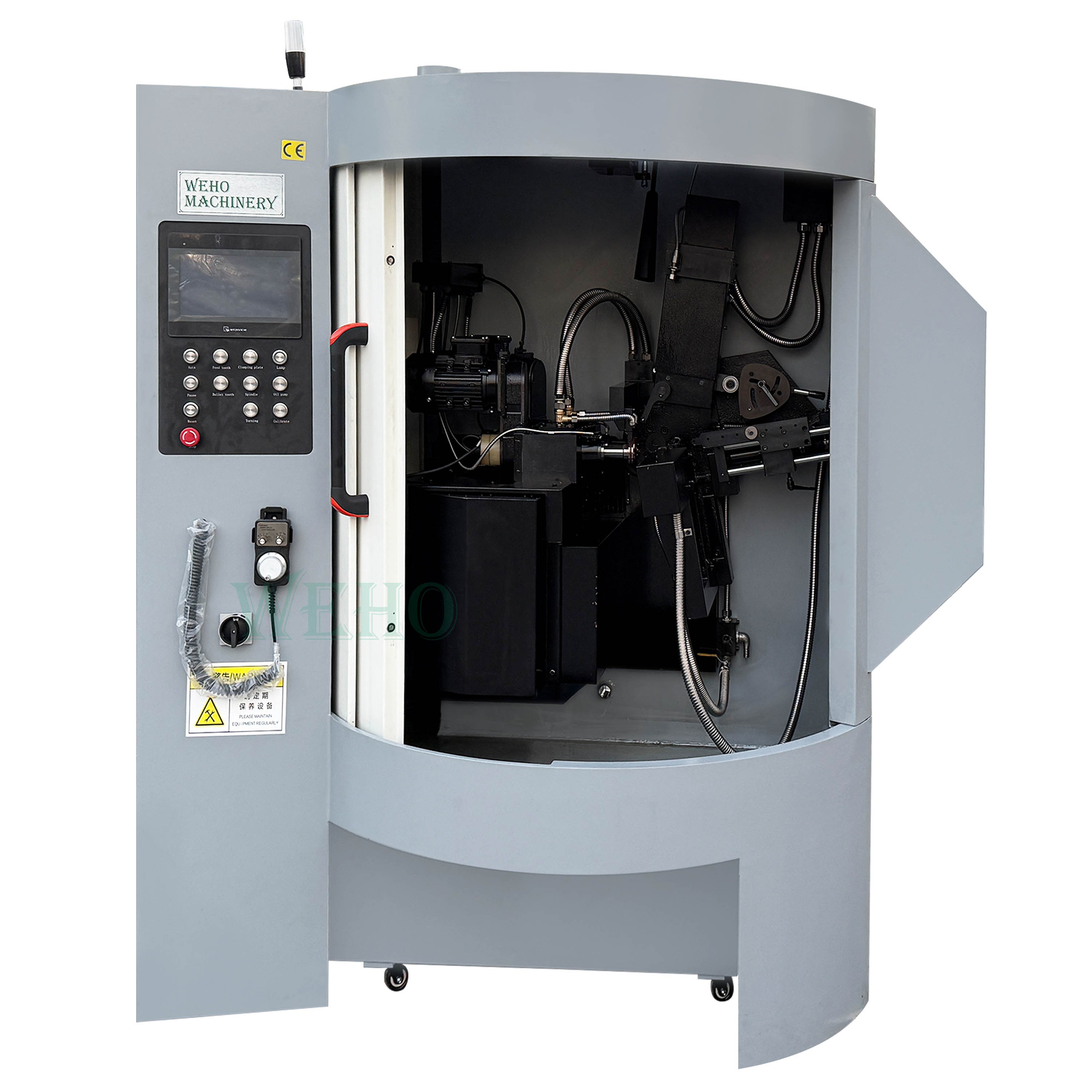
Blade Types and Sizes
Ensure the machine can handle the range of blade widths and thicknesses you use. WEHO Machinery offers models capable of sharpening blades with widths from 27 mm up to larger industrial sizes.
Grinding Accuracy
Precision is critical for high-quality cuts. Machines such as the WEHO automatic band saw blade grinders achieve high grinding precision (e.g., 0.01–0.02 mm), ensuring every tooth is sharpened uniformly.
Automation Features
Fully automatic models reduce manual adjustments and can significantly improve consistency and speed. Mid-range semi-automatic grinders offer a balance between manual control and automation.
Build Quality and Service
Choose equipment from reputable manufacturers like WEHO Machinery, which has extensive experience designing customized grinding solutions and dependable after-sales support.
Ease of Use & Maintenance
User-friendly operation — such as straightforward parameter adjustment and routine maintenance accessibility — can significantly decrease downtime and training time.
By weighing these factors and matching them against your workshop’s needs, you can confidently choose the right band saw blade grinding machine that delivers value and performance.
Where to Buy Band Saw Blade Grinder?
If you are looking to buy a high-precision and durable band saw blade grinder, choosing a professional manufacturer is essential.
WEHO Machinery is a factory-direct supplier specializing in industrial saw blade grinding solutions. With years of experience in manufacturing automatic band saw blade grinders, WEHO provides machines designed for consistent accuracy, long service life, and stable performance.

Automatic band saw blade grinding machines are engineered specifically for sawmills, timber processing plants, and metal cutting workshops. These machines feature:
- Adjustable grinding parameters for different blade specifications
- High-precision grinding accuracy (up to 0.01–0.02 mm)
- Stable automatic feeding system
- Durable structural design for continuous industrial use
By purchasing directly from WEHO Machinery, customers benefit from:
- Factory-direct pricing
- Customization options based on blade size and application
- Professional technical consultation
- Reliable after-sales service and spare parts support
- Installation guidance and operation training
Instead of repeatedly outsourcing blade grinding, it's better to invest in purchasing your own band saw blade grinding machine. This ensures long-term cost savings, shorter turnaround times, and complete control over grinding quality.
FAQs
Q1:Is a band saw blade grinder worth buying?
A1:Yes — if your workshop sharpens blades regularly, owning a band saw blade grinder is usually more cost-effective than outsourcing. External sharpening involves service fees, shipping time, and production delays, while in-house grinding allows immediate sharpening, consistent tooth geometry, and long-term cost savings. For medium to high-volume cutting operations, investing in your own grinder significantly improves productivity and reduces downtime.
Q2:How often should band saw blades be sharpened?
A2:Sharpening frequency depends on cutting material, workload, and blade quality. In general, blades should be sharpened whenever you notice:
Sharpening frequency depends on cutting material, workload, and blade quality. In general, blades should be sharpened whenever you notice:
- Slower cutting speed
- Rough cutting surfaces
- Burn marks on material
- Increased noise or vibration
- Blade drifting off the cut line
For industrial users, checking blade sharpness daily is recommended to maintain consistent cutting performance and prevent unnecessary wear on machines.
Q3:Can I sharpen a bandsaw blade myself?
A3:Yes. With a dedicated bandsaw blade grinder, operators can safely and accurately sharpen blades in-house. Modern machines automatically feed the blade and grind each tooth at the correct angle and depth, ensuring consistent sharpening results. Compared with manual grinding tools, professional grinding machines offer higher precision, safer operation, and longer blade lifespan.
Q4:How do I choose the right band saw blade grinding machine?
A4:You should consider these factors:
- Blade size compatibility
- Grinding accuracy
- Automation level
- Ease of adjustment
- Manufacturer reliability
- After-sales support
Industrial buyers typically prefer machines from experienced manufacturers such as WEHO Machinery, because reliable build quality and technical support are critical for long-term production stability.
Q5:Where can I buy a reliable band saw blade grinder?
A5:Reliable grinders are usually purchased directly from specialized manufacturers or authorized distributors. Buying from a professional supplier ensures you receive technical guidance, installation support, spare parts availability, and warranty service. When evaluating suppliers, check their industry experience, product range, and customer support capability before making a decision.