How to Stop Your Hammer Drill Bit From Getting Stuck in Rebar
Hammer drilling into reinforced concrete creates unique risks. Bits seize. Progress halts. Time vanishes. The root causes remain consistent: rebar contact, dust packing, heat buildup, and flawed technique. Prevention demands deliberate choices at every stage. A well-selected bit, precise detection methods, disciplined rhythm, and routine maintenance form the foundation. These elements work together. Ignore one, and the others falter.
Understanding Why Bits Seize
Concrete holds aggregate and cement. Rebar adds steel. When a bit strikes that steel, the carbide edge can catch. Two-cutter designs concentrate force on fewer points. The tip digs in. Rotation stops. Dust then packs tightly around the flutes. Heat expands the metal. Withdrawal becomes impossible without damage.
Four-cutter tips change the equation. Four edges share the load. Contact spreads. The bit tends to shear rather than snag. Cross-head variants add further guidance. Industry experience confirms this advantage in reinforced work. Yet design alone never suffices. Technique and preparation complete the system.
Dust presents an equal threat. Shallow or narrow flutes collect grit rapidly. In deep holes the material cakes into a solid wedge. Overheating compounds the problem. Metal expands. Clearance vanishes. Sudden stops or gradual binding both signal these mechanisms at work.
Selecting the Proper Bit
Match the bit to the concrete grade and expected reinforcement density. Carbide quality matters. Higher hardness grades resist chipping when steel appears. Flute geometry must evacuate chips efficiently. Longer bits flex more. Prefer the shortest length that reaches required depth.
A four-cutter head offers clear benefits in rebar-prone zones. The multiple edges maintain better hole roundness. Drift decreases. Jam resistance rises. Inspect every tip before use. Chipped or rounded edges invite failure. Discard damaged bits immediately. Clean the shank thoroughly. Debris in the SDS slot prevents secure seating and promotes later sticking.
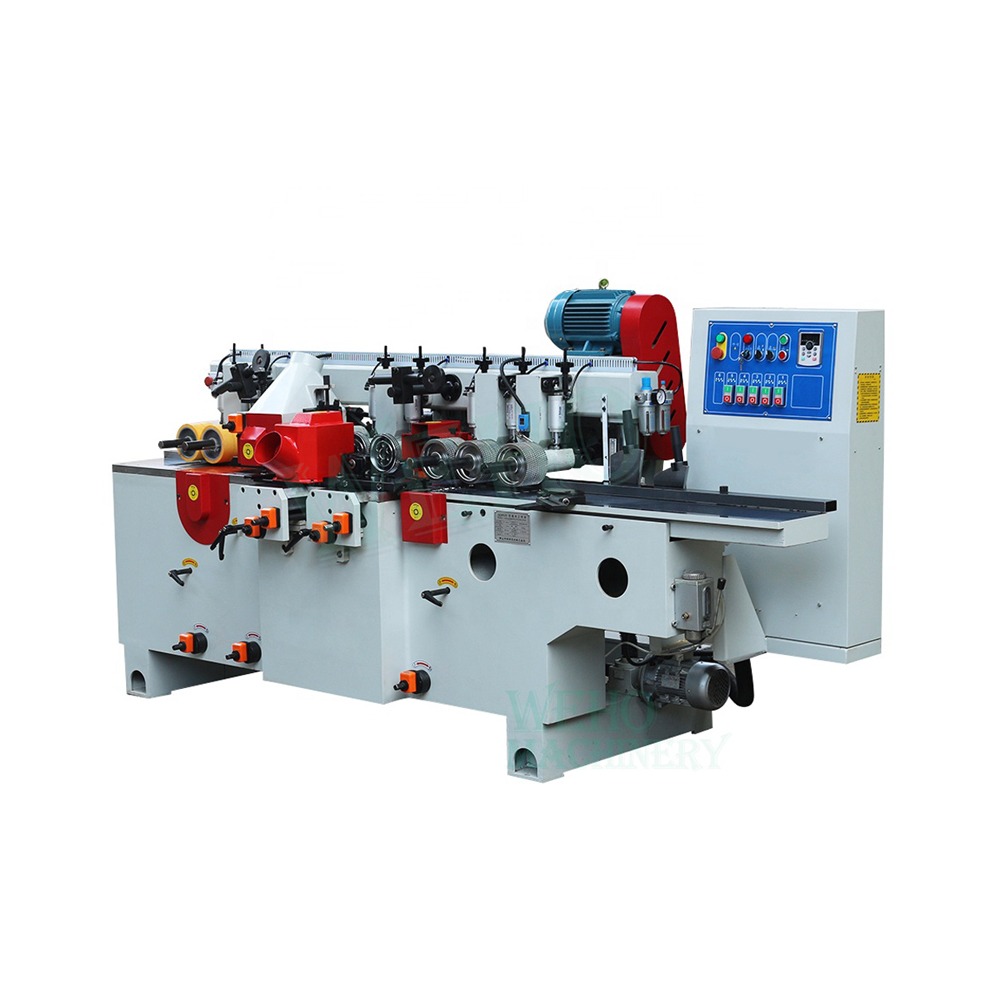
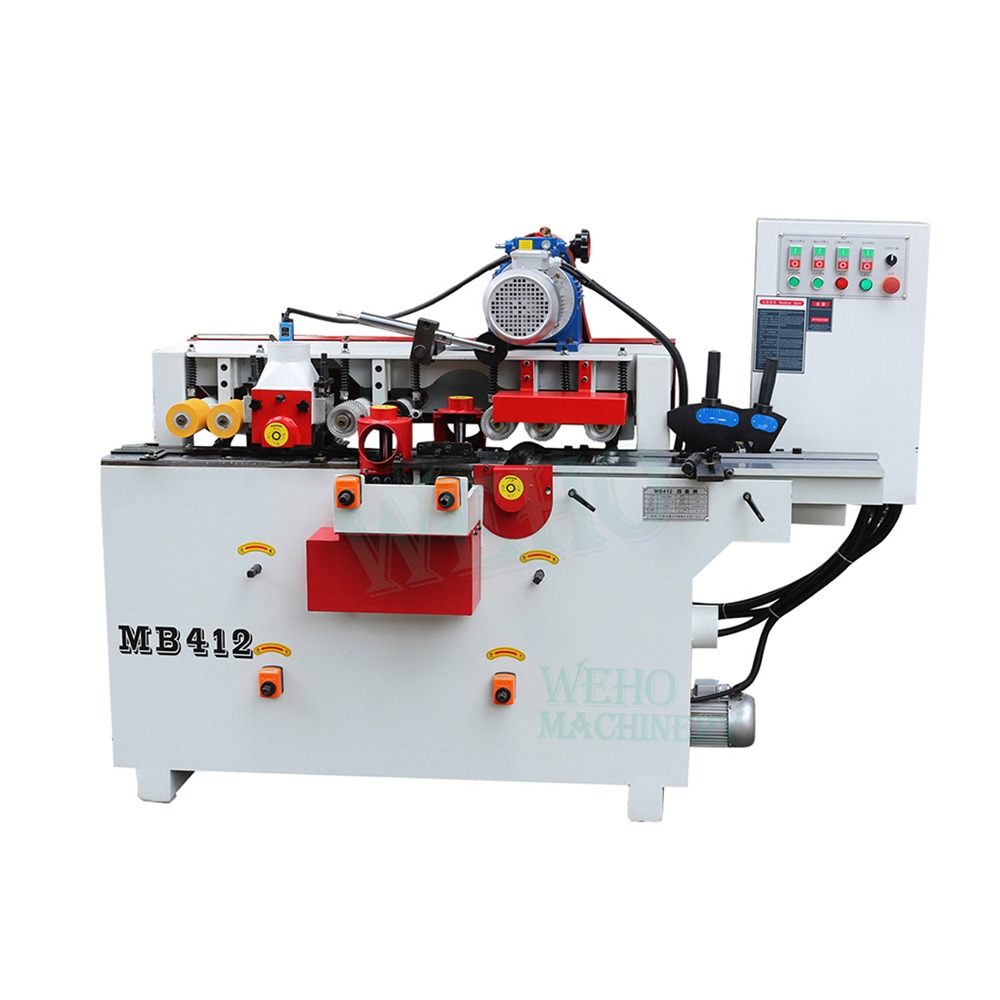
For industrial woodworking applications that also rely on multi-cutter precision, consider the four-cutter planer industrial wood molding machine from WEHO.
Store bits properly. Moisture encourages corrosion. Impact damage from careless handling weakens the head. A dedicated case protects the investment.
Detecting Rebar Before the First Hole
Guesswork invites trouble. Use a reliable rebar scanner or cover meter. Mark detected bars clearly. Cross-reference with structural drawings when available. Dense mats of reinforcement demand careful planning. Sometimes relocating the hole by a few inches solves the issue entirely.
When relocation is impossible, prepare alternative methods. Specialized rebar-cutting bits exist. These tools often require rotary-only mode rather than hammer action. Attempting to force a standard masonry bit through steel destroys the tip and risks kickback that can injure the operator.
Establishing Controlled Drilling Rhythm
Alignment forms the first rule. Keep the drill perpendicular. Side load bends the bit inside the hole. Torque spikes follow. Breakage or seizure becomes likely. The auxiliary handle provides necessary control. Use it.
Pressure must remain moderate. Too little and the hammer mechanism idles. Too much and the tool slows, heat rises, and progress stalls. Feel the impact. Adjust until the rhythm feels consistent.
Pecking clears debris. Advance 20 to 30 millimeters. Withdraw while spinning. Repeat. In holes deeper than 100 millimeters, fully extract the bit at intervals. Vacuum or blow the cavity clean. Compressed air works well when dust extraction is unavailable. Never allow packed material to accumulate.
Depth stops or collars prevent over-penetration. When the bit breaks through, uncontrolled advance can oval the hole or trap the tool against unseen obstacles.
Cooling intervals protect against thermal expansion. After several continuous holes, pause. Allow the bit to return to ambient temperature. Continuous high-duty cycles invite binding even without rebar.
Responding to Early Warning Signs
Sudden metallic click. Assume rebar. Stop forward pressure at once. Reduce feed. Assess whether the hole path can shift. Forcing further rarely succeeds.
Gradual slowing accompanied by heat or smoke. Dust packing is the usual culprit. Extract the bit. Clear flutes and hole. Resume only after cleanliness is restored.
Vibration changes or bounce. The tip may have struck aggregate or begun to wander. Realign. Restart carefully. Never correct a crooked hole by leaning on the tool.
Maintenance Practices That Reduce Risk
Daily checks keep systems reliable. Inspect the chuck for wear or debris. Confirm proper lubrication of the SDS mechanism. Clean vents on the drill itself. Impact energy and rotation speed should match manufacturer specifications.
After each shift examine every bit. Look for twisted shanks, missing carbide, or glazed surfaces. Replace proactively. A dull bit generates more heat and packs dust faster.
Lubricate bit ends and chuck components according to the tool schedule. Dry metal-to-metal contact accelerates wear and increases the chance of a bit locking in the chuck rather than in the concrete.
Comparison of Bit Types for Reinforced Concrete
|
Feature |
Two-Cutter |
Four-Cutter |
Cross-Head / Multi-Edge |
|
Penetration speed (soft) |
High |
Moderate |
Moderate |
|
Rebar resistance |
Low |
High |
Very high |
|
Hole roundness |
Variable |
Good |
Excellent |
|
Dust evacuation |
Depends on flute design |
Generally improved |
Optimized in quality models |
|
Risk of seizure |
Elevated |
Reduced |
Lowest among common designs |
|
Typical use case |
Light unreinforced work |
General reinforced concrete |
Heavy reinforcement or precision |
The table illustrates practical differences. Selection depends on the specific job conditions. Four-cutter designs strike a strong balance for most professional anchoring and fastening tasks in reinforced structures. Parallel principles of multi-edge precision appear in industrial wood processing equipment such as the four side planer woodworking machines offered by WEHO.
Expanded Technique for Deep or Difficult Holes
Begin by scoring the surface. Let the centering tip establish a seat without full power. Once seated, engage hammer mode fully. Maintain steady feed.
When resistance spikes, pause. Clear dust. Confirm the cause. If rebar is confirmed and the hole cannot move, switch tools rather than force the issue.
For chemical anchors or structural connections, hole cleanliness becomes critical after drilling. Brush, blow, and vacuum thoroughly. Residual dust compromises bond strength and can hide the fact that a bit nearly seized earlier.
Over-length bits introduce extra flex. They heat faster and wander more readily. Choose length carefully. When enlarging an existing hole, clean the original cavity completely first. Start the larger bit straight. Allow it to cut the full circumference rather than grabbing one wall.
Safety Considerations During Prevention
Side load remains a silent hazard, especially with small-diameter bits or overhead work. The operator must stay balanced. Secure footing and proper stance reduce unexpected movement.
If a bit does lock, power off immediately. Attempt reverse rotation at low speed when the drill supports it. Allow cooling time for thermal contraction. Penetrating oil applied sparingly may help. Gentle tapping with a soft mallet can free minor binds. Excessive force with pipe wrenches or similar tools often snaps the shank and leaves fragments inside the hole.
Personal protective equipment stays non-negotiable. Eye protection, hearing protection, and dust control protect the operator while also supporting clearer work conditions that reduce jamming risk.
Training and Process Discipline
Individual skill varies. Consistent results come from documented procedures. Train crews to recognize the feel of impending seizure. Teach them to stop at the first sign of trouble rather than push through. Provide checklists for bit inspection, scanner use, and pecking intervals.
Procurement choices influence outcomes. Specifying four-cutter or equivalent high-resistance bits for reinforced work reduces field failures. Tracking bit life and failure modes reveals patterns that guide future purchasing.
FAQs
What is the most common reason a hammer drill bit sticks in rebar?
The tip catches the steel edge. Subsequent dust packing and heat lock the tool in place. Multi-edge designs lower the probability of the initial catch.
Does a four-cutter bit eliminate all jamming risk?
No. It markedly improves resistance. Dust control, alignment, and moderate pressure remain essential. Technique completes the protection. For related multi-cutter industrial solutions in woodworking, see the four-cutter planer industrial wood molding machine from WEHO.
How frequently should dust be cleared during drilling?
Every 20–30 mm of penetration in typical reinforced concrete. Increase frequency in deep holes or highly dusty conditions.
Is it acceptable to drill through rebar with a standard masonry bit?
No. The carbide will chip or shatter. The rebar itself can be damaged. Relocate the hole or employ a purpose-designed rebar cutter.
What RPM and pressure settings work best?
Medium rotation speeds paired with firm yet controlled feed pressure. Allow the hammer action to perform the work without suppression.
Can lubrication help prevent bits from sticking in the chuck?
Yes. Regular cleaning and proper lubrication of the SDS mechanism reduce friction and corrosion that cause bits to lock in the tool rather than the concrete.
Should wet drilling be used to control dust and heat?
Light misting is sometimes helpful. Flooding the hole is generally discouraged for standard masonry bits because it can create slurry that packs more aggressively.
How does hole depth affect jamming risk?
Greater depth multiplies dust volume and heat accumulation. Pecking and full extraction intervals become more critical as depth increases.
Practical Checklist for Daily Use
- Scan and mark reinforcement.
- Select and inspect the appropriate four-cutter or equivalent bit.
- Confirm drill settings and side-handle security.
- Score, then commit with steady rhythm.
- Peck and clear on schedule.
- Monitor for heat, vibration changes, or metallic feedback.
- Cool and clean as needed.
- Inspect the bit after the task.
Following this sequence systematically reduces incidents.
Additional Operational Insights
Environmental conditions influence outcomes. High ambient temperatures accelerate bit heating. Cold weather can make concrete denser in certain mixes. Adjust pecking frequency accordingly. Dust extraction systems improve both visibility and flute performance. When extraction is unavailable, more aggressive manual clearing compensates.
Bit diameter interacts with risk. Smaller diameters flex and heat more readily. Larger diameters generate greater torque loads when they encounter steel. Matching size to both the fastener requirement and the expected reinforcement improves reliability.
Documentation of near-misses proves valuable. Recording the concrete type, bit model, depth, and conditions under which binding nearly occurred allows teams to refine their approach over time.
Final Considerations on Tool Longevity
Every jammed bit shortens service life. Carbide fractures. Shanks twist. Drill chucks suffer from the torque spikes. Prevention therefore protects capital equipment as well as schedule. The modest extra time spent scanning, selecting the correct four-cutter design, and maintaining rhythm returns substantial dividends in reduced downtime and lower consumable costs.
Operators who internalize these practices move more confidently through reinforced structures. They anticipate resistance rather than react to it. The work becomes more predictable. Safety margins expand.
Conclusion
Preventing hammer drill bits from seizing in rebar rests on three pillars: informed bit selection favoring multi-edge designs such as four-cutter heads, rigorous detection and avoidance of steel, and disciplined drilling rhythm that prioritizes dust evacuation and thermal management. These measures, applied consistently, minimize interruptions and protect both tools and personnel. Parallel multi-cutter technology supports efficient production in other industrial fields; explore options including the four-cutter planer industrial wood molding machine and broader four side planer range from WEHO for woodworking applications.